Air Conditioning Repair for High Energy Bills and Poor Cooling
The first clue is usually not dramatic. The air conditioner still runs. The thermostat still lights up with that smug little number you selected. Air comes out of the vents. Technically, civilization has not collapsed.
Then the electric bill arrives looking like it spent a weekend in Vegas.
A struggling air conditioner has a particular talent for seeming “mostly fine” while quietly devouring energy and delivering the cooling performance of a tired desk fan. Rooms stay sticky. The system runs longer. The outdoor unit sounds like it is auditioning for a role as farm equipment. Someone in the house starts lowering the thermostat two degrees at a time, as if negotiating with a hostage taker.
High energy bills and poor cooling usually share the same root problem: the system is working too hard for too little result. Sometimes the fix is straightforward, such as a dirty coil, weak capacitor, clogged filter, or low refrigerant charge caused by a leak. Other times the issue sits deeper, in ductwork, airflow design, aging equipment, electrical supply, insulation, or even household habits that seemed harmless until the utility company sent a financial jump scare.
Good air conditioning repair is not guesswork with a tool bag. It is detective work with gauges, meters, airflow readings, temperature splits, and enough patience to resist blaming the thermostat just because it is the easiest suspect.
When “running” is not the same as “cooling”
An air conditioner can run almost nonstop and still fail to cool properly. Homeowners often describe this as, “It blows cool air, just not cold enough.” That sentence tells a technician several things at once. It suggests the compressor may be operating, the blower is moving air, and the thermostat is calling for cooling, but the system is not removing enough heat from the home.
A healthy central air conditioner commonly delivers supply air roughly 15 to 20 degrees cooler than the return air, depending on indoor humidity, airflow, system design, and outdoor conditions. If the return air is 78 degrees and the supply air is 62, that may be perfectly reasonable. If the return air is 78 and the supply air is 73, the system is basically waving a chilled handkerchief at the problem.
The trouble is that temperature alone does not tell the whole story. A system with low airflow can produce very cold air at the nearest vent while failing to move enough total air through the house. Another system may have decent airflow but poor heat transfer because of a dirty coil or refrigerant issue. A third may cool fine at night but fall apart at 3 p.m. Because the attic ductwork is leaking into a space hot enough to bake biscuits.
That is why a proper air conditioning repair service does not stop at “it needs Freon,” which is the HVAC version of saying every stomach ache needs soup. Refrigerant does not get used up like gasoline. If the charge is low, there is a leak or there was an installation problem. Adding refrigerant without addressing the cause may buy time, but it is not a cure. It is a bandage on a garden hose.
The electric bill is a symptom, not the disease
When cooling costs climb, people often blame the utility rate first. Sometimes they are right. Rates change, billing cycles vary, and heat waves can make everyone’s bill look guilty. But if the bill jumps while comfort drops, the air conditioner deserves a close look.
An inefficient cooling system burns energy in several ways. A dirty evaporator coil reduces heat absorption inside the house, so the system runs longer. A clogged condenser coil outside cannot reject heat efficiently, which raises compressor pressure and energy use. A failing capacitor may cause hard starts, weak motor performance, or intermittent operation. Poor ductwork may dump expensive cooled air into the attic, crawl space, garage, or wall cavity, which is generous but not smart.
I have seen homes where the “AC problem” was really a duct problem wearing sunglasses and a fake mustache. One ranch-style house had a supply duct separated in the attic by about four inches. The unit was producing cold air. It was just cooling insulation, rafters, and possibly a family of squirrels. The homeowner had paid for three service visits elsewhere and one refrigerant top-off before anyone looked past the equipment. The repair was not glamorous, but neither is paying to air condition a crawl space.
A high energy bill can also come from short cycling, where the system turns on and off too frequently. Short cycles waste energy, increase wear, and often leave humidity behind. The house may reach the thermostat setpoint briefly, but it still feels clammy because the system did not run long enough to remove moisture. Oversized equipment can cause this, but so can refrigerant problems, airflow restrictions, thermostat placement, control board issues, or electrical faults. An experienced air conditioning contractor will sort through those possibilities rather than immediately recommending a new unit with the confidence of a game show host.
The usual suspects behind poor cooling
Most poor-cooling calls fall into a handful of categories. The art is knowing which one is actually responsible, because symptoms overlap like relatives at a holiday dinner.
Dirty air filters are the classic offender. A filter packed with dust restricts airflow across the evaporator coil. That can reduce cooling capacity, raise energy use, and in some cases cause the coil to freeze. Once ice forms, airflow gets worse, cooling drops further, and the homeowner discovers the indoor unit has begun producing water in places water was not invited. Filter neglect is common not because people are careless, but because life has a way of hiding boring maintenance behind louder problems like work, dinner, and why the dog is suspiciously quiet.
Dirty coils come next. The indoor evaporator coil collects dust when filtration is poor or bypass air sneaks around the filter. The outdoor condenser coil collects pollen, grass clippings, cottonwood fluff, dryer lint, leaves, and the occasional ambitious spider. A condenser coil does not need to look filthy to perform poorly. A thin layer of debris can interfere with heat rejection, especially during hot weather when the system already has its hands full.
Low refrigerant charge is another frequent cause. Low charge reduces heat transfer and may lead to freezing at the evaporator coil. The system may run longer, cool unevenly, and strain the compressor. Finding and repairing the leak matters. Depending on the system age, refrigerant type, leak location, and repair cost, the best choice might be a leak repair, component replacement, or serious discussion about equipment replacement. Nobody likes that conversation, but nobody likes feeding refrigerant into a system every summer either.
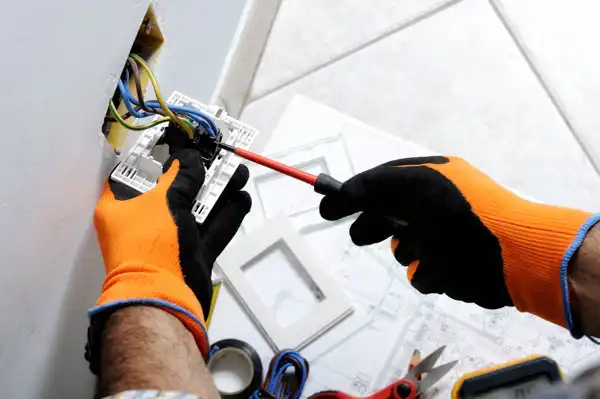
Electrical problems can mimic mechanical ones. A weak capacitor can make a motor run poorly or fail to start. Contactors can pit and burn. Loose connections can overheat. Breakers can trip under load. A good electrician or HVAC technician understands that air conditioning equipment is both a refrigeration machine and an electrical appliance. Ignoring either half is a fine way to miss the problem.
Then there is airflow. Airflow is the family member HVAC talks about constantly because it really does matter. Undersized returns, crushed flex ducts, closed dampers, blocked registers, dirty blower wheels, and poorly set fan speeds all affect performance. Air conditioners are designed around specific airflow ranges. Too little air can freeze coils and reduce capacity. Too much air can reduce dehumidification and leave occupants chilly but damp, a condition best described as “basement chic.”
A quick homeowner check before calling for repair
There are a few things worth checking before scheduling air conditioning repair, mostly because they are simple and may save you the embarrassment of paying a professional to discover a closed vent behind a laundry basket. No shame, though. Every technician has found at least one thermostat set to heat in July, and we all survived.
- Check the air filter and replace it if it is dirty, bent, wet, or old enough to have developed opinions.
- Make sure the thermostat is set to cool, the temperature is reasonable, and the batteries are not weak if it uses them.
- Look at the outdoor unit and clear away leaves, weeds, grass clippings, and debris around it.
- Confirm supply and return vents are open and not blocked by furniture, rugs, curtains, or pet beds.
- Check the breaker once if the system is not running, but do not keep resetting it if it trips again.
That last point matters. A breaker that trips repeatedly is not being dramatic. It is doing its job. Repeated resets can worsen damage and create safety risks. That is the moment to call an air conditioning repair service or an electrician qualified to diagnose HVAC circuits.
Why the thermostat is rarely the mastermind
Thermostats get blamed because they are visible, small, and easy to distrust. They sit there on the wall like tiny judges. But most thermostats are only messengers. They tell the system when to start and stop. If the system starts, runs, and fails to cool, the thermostat is probably not the villain.
That said, thermostat issues do happen. Poor placement can cause comfort problems. A thermostat near a sunny window, kitchen, lamp, exterior door, or supply vent may read conditions that do not represent the rest of the house. A thermostat in a hallway may be satisfied while bedrooms remain warm. Smart thermostats can also cause confusion if schedules, eco modes, or occupancy settings are not configured well. I have seen systems behave oddly because the thermostat thought the owners were away while they were sitting ten feet from it, quietly roasting and questioning technology.
Thermostat replacement may help when the control is inaccurate, outdated, poorly located, or incompatible with the equipment. But replacing it without checking airflow, refrigerant, coils, and electrical components is like replacing the doorbell because nobody came to dinner.
Humidity: the comfort thief with excellent manners
Poor cooling is not always about temperature. High indoor humidity can make a 74-degree room feel like a damp handshake. Air conditioners cool partly by removing moisture from indoor air. When they run properly, professional plumbing leak repair water condenses on the evaporator coil and drains away through the condensate system. When runtime is too short, airflow is wrong, the coil is dirty, or the system is oversized, humidity removal suffers.
This is one reason setting the thermostat extremely low often disappoints. If the AC is struggling, lowering the setpoint from 74 to 68 may only force longer runtime without solving the underlying issue. The house may become slightly cooler but still sticky. Meanwhile, the energy bill grows fangs.
Condensate drainage also deserves attention. A clogged drain line can shut the system down if safety switches are installed, or it can cause water damage if they are not. Drain cleaning for an AC condensate line is not the same as clearing a main sewer line, but the principle is familiar to any plumber: water needs a clear path, and sludge has other plans. In some homes, especially where condensate lines tie into plumbing or run long distances, a plumbing leak repair or drain evaluation may be part of solving recurring moisture problems.
Maintenance is cheaper than panic
Air conditioning maintenance is not glamorous. Nobody brags at dinner about a clean evaporator coil unless they work in the trades, in which case everyone at the table is already trapped. But routine service prevents many high-bill, poor-cooling calls.
A proper air conditioning tune-up should include more than a quick hose-off and a sticker on the unit. The technician should check temperature split, refrigerant pressures and superheat or subcooling where appropriate, capacitor readings, contactor condition, blower components, coil cleanliness, condensate drainage, thermostat operation, electrical connections, and overall system performance. On heat pump systems, heating and defrost operation matter too. Heat pump installation quality also affects long-term cooling efficiency, since the same equipment handles both seasons.
Maintenance timing depends on climate and use, but annual cooling service before heavy summer demand is sensible for most homes. Systems in dusty areas, homes with pets, or properties near cottonwood trees may need more frequent attention. If the outdoor unit looks like it is wearing a sweater made of pollen, it is not breathing well.
Skipping maintenance can void some warranty coverage if failure links to neglect. More practically, it allows small problems to become expensive ones. A weak capacitor is cheaper than a burned motor. A dirty condenser coil is cheaper than a stressed compressor. A cleared drain is cheaper than ceiling repair, flooring replacement, and the emotional journey of explaining water stains to guests.
Repair or replace: the uncomfortable math
Nobody wants to hear that replacement might be wiser than repair, especially when the system still makes noise and occasionally produces cool air. But equipment has a service life. Many central air conditioners last roughly 12 to 18 years, depending on climate, installation quality, maintenance, usage, and luck. Coastal environments, extreme heat, poor airflow, and neglected coils can shorten that timeline.
The decision is rarely based on age alone. A 9-year-old system with a failed capacitor is an obvious repair. A 16-year-old system with a leaking evaporator coil, outdated refrigerant, poor ductwork, and a compressor drawing high amperage deserves a harder look. Repairing one major component may leave other old components waiting politely in line to fail.
Energy efficiency also enters the conversation. A newer system can reduce energy use, but only if sized and installed correctly. Bigger is not automatically better. Oversized systems short cycle, remove less humidity, cost more, and may wear faster. Proper load calculation, duct evaluation, airflow setup, and commissioning matter more than shiny equipment labels. A careful heating contractor or air conditioning contractor will measure and evaluate rather than replace ton-for-ton just because the old unit was there first. Old equipment sizing is sometimes less engineering and more “the last guy had one on the truck.”
Replacement may also make sense when comfort issues stem from the overall system design. If ducts are undersized, leaky, or poorly routed, new equipment alone may disappoint. If insulation is poor or attic ventilation is extreme in either direction, the AC may be blamed for a building problem. Houses are systems, even when they behave like collections of unrelated grudges.
The sneaky role of ducts, insulation, and the attic
Ductwork can make or break cooling performance. In many homes, ducts run through unconditioned attics or crawl spaces. That means cooled air travels through hostile territory before reaching the rooms. Leaky supply ducts waste cooled air. Leaky return ducts can pull hot attic air, dust, insulation fibers, and humidity into the system. Neither scenario improves comfort, unless your goal is to pay premium rates for chaos.
A duct leakage test can reveal problems that visual inspection misses. Sometimes the fix is sealing joints and connections. Sometimes crushed flex duct needs replacement. Sometimes the return side is too small, causing noise, poor airflow, and reduced capacity. Homeowners often notice symptoms without knowing the cause: one bedroom never cools, the hallway return whistles, doors slam when the blower starts, or the filter gets sucked inward like it owes money.
Insulation affects cooling load. Poor attic insulation allows heat to radiate into living spaces, especially during late afternoon. A well-performing AC may still struggle if the ceiling is absorbing heat all day. Windows matter too. West-facing glass can turn a room into a terrarium. Curtains, shades, sealing gaps, and insulation upgrades are not air conditioning repair, but they can reduce runtime and improve comfort.
This is where judgment matters. A technician should not sell a compressor to fix a duct problem. A plumber should not be called for a sweating duct that is really an insulation issue, unless water damage or drainage is involved. A septic system service has no business diagnosing your warm bedroom, though I admire the optimism. The right trade for the right problem saves money and prevents the kind of repair spiral that makes homeowners distrust everyone with a van.
When other home systems are part of the story
Cooling problems sometimes overlap with plumbing, electrical, and heating work. Homes do not separate themselves into neat trade categories just because business cards do.
For example, a water heater installation in a tight utility closet can change airflow around nearby equipment if vents, clearances, or combustion air pathways are altered. Gas installation service must follow code and manufacturer requirements, especially near furnaces and other fuel-burning appliances. A furnace repair service may discover blower problems that affect both heating and cooling, since many split systems use the furnace blower to move air for the air conditioner. If that blower wheel is dirty or the motor is failing, summer comfort suffers too.
Electrical upgrades also matter. Older panels, loose connections, undersized circuits, and worn disconnects can affect AC reliability. A lighting contractor might not be the first call for poor cooling, but electrical professionals often spot overloaded circuits or panel concerns during other work. When HVAC equipment starts hard, dims lights, or trips breakers, coordination with an electrician may be necessary.
Plumbing work can appear in surprising ways. A clogged condensate drain may require clearing. Water damage near an air handler may call for plumbing leak repair to rule out supply or drain issues. In homes with slab leaks or repiping projects, Plumber humidity and indoor comfort can shift during repairs, especially if walls or floors are opened. Plumbing repiping, water softener installation, rooter service, hydrojetting, and water heater repair may sound far from AC performance, but technicians working in the same mechanical spaces often catch issues that affect the home as a whole.
The best contractors understand where their trade ends and another begins. The worst ones pretend every problem can be solved by whatever they sell.
What a good diagnostic visit looks like
A thorough air conditioning repair visit has a rhythm. The technician listens first. When did the problem start? Is the bill higher than normal for the same month last year? Does cooling improve at night? Are certain rooms worse? Was recent work done in the attic, around ducts, near the thermostat, or at the electrical panel? Has the filter been changed? Did the system freeze? Did anyone wash the outdoor unit with a pressure washer, also known as “how to comb condenser fins with a brick”?
Then comes inspection and testing. Good diagnosis uses instruments, not vibes. The technician may measure return and supply temperatures, check static pressure, inspect the filter and blower, verify coil condition, test capacitors, measure voltage and amperage, examine refrigerant readings, inspect the condensate drain, and look over duct conditions where accessible. On many calls, the first visible failure is only part of the story. A bad capacitor may be obvious, but the motor it served may have been strained by dirty coils or poor airflow.
Homeowners should expect clear explanations. Not a theatrical monologue, just plain language: what failed, why it matters, what the options are, what is urgent, and what can wait. Photos help. Readings help. “Your capacitor tested at 23 microfarads on a 45 microfarad rating” means more than “it looked weak.” “Your return static pressure is high, likely because the return duct is undersized or the filter is too restrictive” is more useful than “airflow is bad.”
Pricing should be understandable before work begins. Emergency calls, refrigerant, hard-to-access components, and after-hours service cost more. That is normal. Mystery pricing is not.
The expensive myth of closing vents
Many homeowners close vents in unused rooms to “save cooling.” It feels logical. Why cool the guest room when the guest room contains only a treadmill and regret?
Unfortunately, most residential duct systems are not designed for aggressive vent closing. Closing supply registers can raise static pressure, reduce airflow across the coil, increase duct leakage, create noise, and strain the blower. In some cases it can contribute to coil freezing. A few closed vents may not cause disaster, but using registers as a zoning system is usually a bad bargain.
Real zoning uses dampers, controls, bypass strategies or variable-speed equipment, and proper design. If certain rooms are unused and you want meaningful savings, discuss zoning, duct modifications, insulation, or thermostat strategy with a qualified contractor. The system needs balance, not a game of whack-a-mole with floor registers.
Why your AC may struggle during extreme heat
Air conditioners are designed around outdoor design temperatures that vary by region. When outdoor temperatures exceed typical design conditions, even a healthy system may run longer and maintain a slightly higher indoor temperature than usual. That does not automatically mean it is broken.
For example, if a system is designed to maintain around 75 degrees indoors when it is 95 degrees outside, a 103-degree day may push it hard. Add direct sun, oven use, leaky ducts, dirty filters, and a house full of people, and the AC may run nearly continuously. Continuous running during extreme heat can be normal if the house remains reasonably comfortable and humidity stays controlled. Continuous running with rising indoor temperature, weak airflow, ice, unusual noise, or a large energy spike points toward a problem.
The difference matters. Repairing a properly functioning system because it cannot perform miracles is expensive theater. Ignoring a failing system during a heat wave is also unwise, since stressed components tend to fail when supply houses are busiest and technicians are booked solid. Air conditioners love drama. They prefer breaking late Friday afternoon.
Practical ways to reduce cooling cost without making the house miserable
Energy savings do not require living like a cave lizard. Small changes can reduce load on the system and help repairs or maintenance deliver better results. Keep the filter clean, use shades on sun-heavy windows, avoid running heat-producing appliances during the hottest part of the day, and set the thermostat to a temperature you can tolerate consistently rather than constantly lowering it in frustration. Ceiling fans help occupants feel cooler, but they cool people, not rooms, so turn them off when rooms are empty unless your furniture has started paying rent.
A programmable or smart thermostat can help if used sensibly. Raising the temperature a few degrees when the home is empty can save energy, but extreme setbacks in hot, humid climates may backfire by forcing long recovery periods and allowing humidity to climb. The best settings depend on climate, insulation, occupancy, and equipment type. Heat pumps and variable-speed systems often prefer gentler adjustments. Single-stage older systems may tolerate larger setbacks, but comfort recovery can be slow during peak heat.
Air conditioning maintenance remains the least exciting and most reliable energy strategy. Clean coils, correct refrigerant charge, proper airflow, and healthy electrical components do not sound glamorous, but they are the difference between a system that cruises and one that wheezes uphill with a piano strapped to its back.
Warning signs that deserve prompt service
Some AC problems can wait a few days. Others should move up the priority list because they risk equipment damage, water damage, or safety issues.
- Ice on refrigerant lines or the indoor coil, especially with weak airflow or poor cooling.
- Breakers tripping repeatedly, burning smells, buzzing electrical components, or visible wire damage.
- Water around the indoor unit, ceiling stains, or a clogged condensate drain causing overflow.
- Loud grinding, screeching, rattling, or compressor noises that are new and getting worse.
- Warm air from vents while the outdoor unit runs, especially if the system was cooling normally earlier.
If you see ice, turn the system off and let it thaw before the technician arrives. Running it while frozen does not help diagnosis or performance. It mainly turns the evaporator coil into a sad indoor glacier. Use fan-only mode if advised and if it helps thawing, but avoid forcing cooling until the cause is found.
Choosing the right contractor without needing a lie detector
The right air conditioning contractor asks good questions, tests before declaring, and explains options without treating your wallet like an unlocked shed. Licensing, insurance, local experience, and solid reviews matter. So does the ability to handle related issues or coordinate with the right trade. A company that offers air conditioning repair, air conditioning maintenance, furnace repair service, heating contractor support, and electrical troubleshooting may solve whole-system problems faster than a company that only swaps boxes. Still, range of services is not a substitute for competence. A long menu does not guarantee a good meal.
Be cautious with anyone who diagnoses a major failure without opening panels, taking readings, or checking basics. Be equally cautious with endless cheap refrigerant top-offs. If a system repeatedly needs refrigerant, it has a leak. The repair path may vary, but the physics does not.
Good contractors also admit uncertainty when appropriate. Some intermittent problems require monitoring. Some older systems have multiple weaknesses, and repairing one may reveal another. Honest uncertainty beats fake certainty every time. Houses are messy. Equipment ages unevenly. Previous repairs leave surprises. Anyone who has spent years in mechanical rooms has learned humility, usually from a unit installed in a closet designed by someone who hated future technicians.
The sweet spot: comfort, efficiency, and common sense
High energy bills and poor cooling are not separate annoyances. They are usually two sides of the same mechanical coin. The system runs longer because it cannot move heat efficiently. It cannot move heat efficiently because something is dirty, leaking, restricted, miswired, worn, badly sized, poorly installed, or fighting the house itself.
The fix might be simple. Replace a filter, clean a coil, repair a capacitor, clear a drain, seal a duct, correct a refrigerant charge after leak repair. Or the fix might involve bigger decisions, such as duct redesign, heat pump installation, equipment replacement, insulation improvement, or electrical upgrades. The correct answer depends on evidence, not hunches.
A well-repaired and well-maintained air conditioner should not need to bully your electric meter to keep the house livable. It should run steadily during hot weather, remove humidity, deliver consistent airflow, and shut off often enough that you remember silence exists. If your system is running all day, cooling poorly, and sending bills that look personally hostile, it is time for real diagnosis.
Your thermostat may be innocent. Your filter may be guilty. Your ductwork may be living a double life. And somewhere in the middle is the repair that turns your home from “lightly steamed” back into comfortable.
Name: Service Lion Plumbing Heating Air Electric
Address: 521 W Briardale Ave, Orange, CA 92865, United States
Phone: (657) 567-7305
Website: https://callservicelion.com/
Email: [email protected]
Hours:
Monday: Open 24 hours
Tuesday: Open 24 hours
Wednesday: Open 24 hours
Thursday: Open 24 hours
Friday: Open 24 hours
Saturday: Open 24 hours
Sunday: Open 24 hours
Open-location code: R48R+WV Orange, California, USA
Map/listing URL:
https://www.google.com/maps/search/?api=1&query=Google&query_place_id=ChIJQU4LBWHV3IARtnABtyykSA4
Google Map:
Socials:
https://www.facebook.com/ServiceLionCA/
https://www.youtube.com/channel/UCR_L35QzsRTxYZtX8PxJvPw
Local Service Information
Service Lion Plumbing Heating Air Electric provides plumbing, drain, heating, air conditioning, and electrical services from its Orange, California location.The company serves homeowners and properties throughout Orange and communities across Orange County and surrounding areas.
Available services include plumbing repairs, water heater work, drain and sewer services, heating and cooling service, electrical repairs, panels, lighting, outlets, and related home-system work.
Service is available for residential properties as well as light commercial needs described within the company's local service-area information.
The company's website emphasizes locally operated service, coordinated home-system support, and practical scheduling for plumbing, HVAC, and electrical needs.
The matching public business listing shows the Orange location as open 24 hours a day, seven days a week.
For service information or scheduling, call (657) 567-7305 or visit https://callservicelion.com/.
The public map listing identifies the business at 521 W Briardale Ave, Orange, CA 92865 and can be used for location and direction information.
Popular Questions About Service Lion Plumbing Heating Air Electric
What services does Service Lion Plumbing Heating Air Electric provide?
The company provides plumbing, drain and sewer, heating, air conditioning, and electrical services. Its published services include plumbing repair, water heaters, drain clearing, sewer work, HVAC repair and installation, electrical repairs, panels, circuit breakers, lighting, outlets, and related services.
Where is Service Lion Plumbing Heating Air Electric located?
The matching business location is 521 W Briardale Ave, Orange, CA 92865, United States.
What areas does Service Lion Plumbing Heating Air Electric serve?
The company serves Orange County and surrounding communities. Its published service-area information includes Orange, Anaheim, Brea, Yorba Linda, Fullerton, Huntington Beach, Newport Beach, Costa Mesa, Irvine, Lake Forest, and additional nearby cities.
Is Service Lion Plumbing Heating Air Electric open 24 hours?
The matching public business listing shows the location as open 24 hours on Monday through Sunday.
Does Service Lion Plumbing Heating Air Electric work on drains and sewer lines?
Yes. Published services include drain clearing, rooter service, camera inspection, hydro jetting, sewer line repair and installation, water line work, slab leak detection, and trenchless sewer line repair.
Does Service Lion Plumbing Heating Air Electric provide heating and air conditioning service?
Yes. Its published HVAC services include air conditioning repair and installation, heating service, furnace work, heat pumps, air ducts, indoor air quality assessments, and thermostat installation.
Does Service Lion Plumbing Heating Air Electric provide electrical service?
Yes. Published electrical services include repairs and installations, electrical panels, circuit breakers, safety inspections, lighting, outlets and switches, surge protection, generators, and EV charging equipment installation.
How can I contact Service Lion Plumbing Heating Air Electric?
Call (657) 567-7305.
Email: [email protected]
Website: https://callservicelion.com/
Facebook: https://www.facebook.com/ServiceLionCA/
Landmarks Near Orange, California
Old Towne Orange Historic District
A central historic district and useful geographic reference point for the Orange community.
Plaza Park
A well-known public gathering point in the center of Old Towne Orange.
Orange Public Library & History Center
A civic landmark serving residents near central Orange.
Hart Park
A major public park and recreation area south of central Orange.
Eisenhower Park
A public park serving neighborhoods in northern Orange.
Santiago Oaks Regional Park
A regional recreation and open-space landmark on the eastern side of Orange.
Irvine Regional Park
A large regional park and recognizable reference point east of the city.
Orange Park Acres
A distinctive residential community and service-area reference point in eastern Orange.
El Modena
An established Orange neighborhood that provides a practical local coverage reference.
Glassell Street
One of the city's principal north-south streets and a useful route through central Orange.
Lincoln Avenue
A major east-west roadway serving northern Orange and nearby communities.
State Route 55
A primary regional freeway connecting Orange with other parts of Orange County.