Heating Contractor Work for Comfort System Maintenance
A heating contractor lives in the part of the building nobody brags about at dinner, yet everybody notices the minute it misbehaves. The furnace goes quiet on the coldest morning. The heat pump starts acting like it has joined a silent retreat. The air conditioner runs all afternoon and contributes mostly noise. Suddenly, the most ignored equipment in the place becomes the lead character.
Comfort system maintenance sounds tidy on a brochure, but in the field it is a practical, sometimes awkward, always consequential craft. It sits at the crossroads of heating, ventilation, air conditioning, plumbing, and the electrical work tied to the equipment. That is not just a convenient bundle of services. Plumbing, heating, and air-conditioning work is recognized as a special trade category, while electrical work stands as its own separate trade. In real buildings, though, these systems shake hands constantly. A furnace may need fuel, airflow, controls, drainage, venting, and electrical power before it can do anything useful besides occupy a closet.
A good heating contractor understands that comfort is not created by one box in the basement, attic, utility room, or side yard. It is created by a system. That system includes equipment, ductwork or distribution, refrigerant charge where cooling or heat pumps are involved, controls, installation quality, maintenance habits, and the plain old judgment to know when a repair is sensible and when replacement is the kinder option. Equipment has feelings too, or at least it behaves as if it does when someone has ignored it for six seasons and then asks it to perform heroics.
The comfort system is a small society, not a single appliance
The phrase “HVAC” gets tossed around like it is one machine. It is not. Heating, ventilation, and air conditioning cover a family of equipment and services, including installation, maintenance, repair, duct cleaning, and sometimes the plumbing or electrical work associated with heating and cooling equipment. A heating contractor may focus on furnaces and heat pumps, while an air conditioning contractor may spend summer elbow-deep in cooling calls, but both are dealing with the same household demand: keep the indoor environment tolerable without turning the utility bill into a minor tragedy.
Maintenance matters because comfort systems drift. Filters load up. Components wear. Drainage routes need attention. Refrigerant charge may need proper handling in systems that use refrigerants. Airflow problems creep in quietly. A system can still run while slowly becoming less efficient, less reliable, and more expensive to operate. That is the sneaky part. Total failure announces itself with cymbals. Poor maintenance whispers for months, then hands you a repair bill with excellent penmanship.
Professional maintenance is not just a ceremonial visit where someone shines a flashlight, nods, and leaves behind a sticker. It is supposed to be a careful look at how the system was installed, how it is operating, and whether the pieces that support it are doing their jobs. For an air conditioner or heat pump, proper installation includes correct equipment sizing and correct refrigerant charging. Proper charging can reduce energy consumption and lower the risk of failure. That fact alone should make every homeowner suspicious of anyone who treats refrigerant like barbecue sauce: “Eh, add a little more and see what happens.”
What heating contractors actually maintain
A heating contractor’s work often starts with heating equipment, but it rarely ends there. Furnaces, heat pumps, and associated controls need attention. So do the air-moving portions of the system. In many buildings, the same ducts that carry warm air in winter carry cool air in summer. If the blower, duct connections, filters, or controls are out of sorts, comfort suffers no matter which season is currently abusing the thermostat.
Furnace repair service is one piece of the maintenance picture. Heating equipment installation is another. Air conditioning repair service and air conditioning maintenance often enter the same conversation because the same contractor may work on both heating and cooling equipment, especially where central HVAC systems share components. Air conditioning repair is not some distant cousin; it is part of the broader comfort system family. Air conditioning tune-up work fits naturally into seasonal maintenance, particularly before cooling demand climbs and the phone starts ringing like a game show buzzer.
Heat pump installation deserves special attention because heat pumps live in both worlds. They heat and cool, and they depend on the kind of installation quality that separates comfortable homes from expensive experiments. Correct sizing matters. Correct charging matters. A heat pump that is guessed into place instead of selected and installed properly can become a very sophisticated way to be mildly uncomfortable.
There is also the supporting cast. Plumbing and HVAC work often cross paths around condensate drainage, water heating, gas lines, and equipment connections. A plumber may handle plumbing leak repair, drain cleaning, rooter service, hydrojetting, water heater repair, water heater installation, plumbing repiping, or water softener installation. Not all of those are heating-system tasks, of course, but in a service business centered on plumbing and HVAC, they belong to the same practical universe. When a building’s mechanical systems fail, they do not politely stay in their lane. Water, air, fuel, electricity, and drainage all have strong opinions.
Electrical work is separately classified for good reason. The electrician’s trade is its own discipline, and heating and cooling systems depend on safe, correct electrical service and controls. A lighting contractor may not be the person tuning a furnace, but the distinction matters: buildings need qualified people doing the work that matches their trade. Comfort should not arrive with a side order of electrical improvisation.
The maintenance visit: less glamour, more survival
A solid maintenance visit is not dramatic. Nobody composes violin music for checking system operation. Yet this is where many expensive failures are delayed or prevented. The contractor looks for signs that the equipment is doing what it should and that installation details still support reliable operation. They examine the equipment as part of a complete system, not as a lonely metal cabinet with a logo on it.
On the heating side, the attention goes to safe, reliable operation and the condition of the equipment. On systems tied to air conditioning or heat pump operation, attention includes cooling performance, refrigerant-related service requirements, airflow, and components that keep the system from working harder than it should. If duct cleaning is part of the service offering, that can also fit into the broader maintenance picture, though it should be recommended for a reason, not because someone discovered a new attachment for the vacuum and got excited.
Here is the short version of what a practical comfort maintenance mindset tries to protect:
- Reliable heating when outdoor temperatures make indoor excuses unacceptable
- Efficient cooling when the building turns into a breadbox
- Proper installation factors such as sizing and refrigerant charge
- Supporting plumbing and electrical connections related to HVAC equipment
- Lower risk of avoidable breakdowns caused by neglected service
That is one list, and it has earned its keep. Most of the time, maintenance is better discussed in paragraphs because buildings are not bullet points. They are collections of compromises, original decisions, later additions, strange noises, and one access panel that was apparently designed by someone who hated forearms.
Why installation quality keeps showing up in maintenance conversations
People often separate installation and maintenance as if they belong to different planets. They do not. A poor installation can haunt every maintenance visit afterward. If a unit was not sized correctly, the contractor maintaining it may be stuck managing symptoms rather than fixing the cause. If refrigerant charging was not handled properly on an air conditioner or heat pump, the system can consume more energy and face higher failure risk. Maintenance can improve conditions, but it cannot always erase the sins of the original setup.
Correct equipment sizing is not a decorative detail. Oversized or undersized equipment can create comfort problems and wear patterns that routine service may identify but not magically cure. The same goes for improper refrigerant charge. A technician can service a system, but if the system was installed casually, the maintenance file may start reading like a diary of preventable grievances.
This is where an experienced heating contractor earns trust. The best ones do not treat every call as a chance to sell the biggest box that fits through the door. They evaluate the system, the complaint, the age and condition of the equipment, the installation history if it is available, and the practical cost of continued repair. Sometimes furnace repair service is perfectly reasonable. Sometimes heat pump installation or replacement makes more sense. Sometimes the issue is not the main equipment at all, but an associated drainage, airflow, plumbing, or electrical concern.
The wise contractor also knows when another trade belongs in the room. If electrical work is the issue, that is electrician territory. If the job involves gas installation service, it must be handled by people qualified for that work. If a sewer hookup, sump pump, water pump, or plumbing repair is involved, the plumbing side of the business may be needed. A contractor who respects trade boundaries is not being fussy. They are being professional.
The air conditioning side of comfort maintenance
Heating may get top billing in the title, but cooling deserves its own chair at the table. Air-conditioning service and repair is recognized as a distinct service area, and anyone who has spent a humid afternoon near a struggling condenser knows why. Cooling failures are not merely inconvenient. They reveal every weak point in a system: poor airflow, incorrect refrigerant charge, neglected maintenance, marginal installation, and the optimistic belief that equipment enjoys being ignored.
Air conditioning maintenance and an air conditioning tune-up should be treated as preventive work, not a superstition performed before summer. The contractor is looking for whether the system can operate efficiently and reliably under load. For air conditioners and heat pumps, refrigerant handling falls under specific service and repair concerns because these appliances use refrigerants. Technicians involved in maintenance, service, or repair can include installers and contractor employees, and refrigerant-related work is not a hobby for the mechanically curious neighbor with a toolbox and a firm handshake.
Air conditioning repair often becomes urgent because cooling systems tend to fail when they are being used hardest. That is not personal. Equipment under peak demand has less room to hide existing problems. The same principle applies to heating. A furnace may coast through mild weather, then object loudly when asked to run steadily. Maintenance gives the contractor a chance to catch issues before the system is sprinting uphill in formal shoes.
There is a small comedy in how many customers remember their HVAC system only when it quits. The thermostat becomes an altar. The filter becomes a suspect. The outdoor unit receives concerned staring. Then a contractor arrives and explains that comfort equipment prefers attention before the emergency. Machines are needy like that.
Plumbing, drainage, and the comfort connection
Plumbing and HVAC are often grouped in service businesses because many mechanical systems share practical dependencies. Plumbing repair, sewer hookups, sump pump service, water pump installation, and related work appear within the same broad plumbing, heating, and air-conditioning trade classification. That does not make every plumber a heating contractor or every HVAC technician a drain specialist, but it shows why these services often live under one roof.
Consider the ordinary service company that offers Plumber services along with HVAC work. One call might involve water heater repair. Another might be water heater installation. A third may involve drain cleaning, rooter service, or hydrojetting. These are not the same as furnace maintenance, yet they affect the same building ecosystem. A property owner does not experience “separate trade categories.” They experience cold showers, backed-up drains, lukewarm rooms, and the faint sound of money leaving.
Water heater work is a good example. It belongs to plumbing service, but it contributes to overall comfort just as surely as heating equipment does. A water softener installation may protect plumbing systems in areas where water conditions justify it. Plumbing repiping may be required when piping has reached the end of its useful life or is causing recurring issues. Plumbing leak repair protects the building from water damage, which has a charming habit of becoming expensive while everyone is asleep.
Septic system service sits farther from HVAC, but it belongs in the broader mechanical service conversation for properties that rely on septic systems. Again, the connection is not that a heating contractor automatically handles septic work. The connection is that a building’s comfort and livability depend on multiple systems working without drama. Drama belongs in theater, not the utility room.
The electrical piece: small controls, large consequences
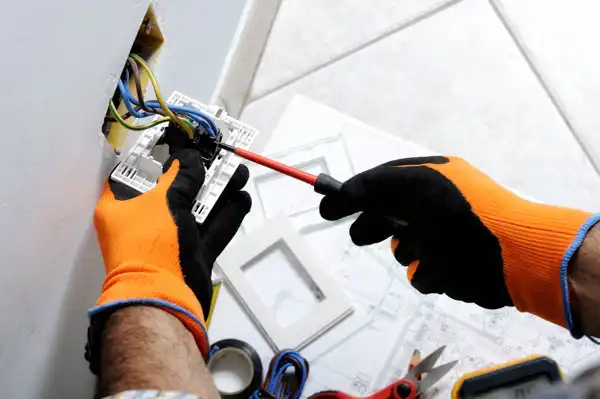
Heating and cooling equipment need electricity for motors, controls, circuit boards, ignition systems in certain equipment, thermostats, pumps, fans, and other associated components. Electrical work is separately classified, and that distinction matters. A heating contractor may troubleshoot the HVAC equipment and its control circuits within the scope of their work, but true electrical installation or repair belongs with qualified electrical professionals.
This is where a service company that coordinates HVAC, plumbing, and electrical trades can save time and confusion. If a heating issue traces back to electrical supply, controls, or installation needs outside the HVAC scope, an Electrician may be needed. A Lighting contractor may handle lighting projects, but that is not the same as HVAC service. Proper trade matching prevents guesswork from wearing a tool belt.
The important point for property owners is not to memorize classifications. It is to recognize that comfort systems rely on safe connections. If someone waves away electrical concerns as “probably nothing,” listen carefully for the sound of professionalism leaving the building. HVAC work and electrical work often touch, but they are not interchangeable.
Repair, replacement, and the art of not kidding yourself
Every maintenance visit carries an unspoken question: Is this system worth continuing to repair? The answer depends on condition, performance, installation quality, repair history, and the owner’s tolerance for risk. There is no universal rule that fits every furnace, air conditioner, or heat pump. Anyone who says otherwise may also be selling magic beans from the back of a van.
Furnace repair service can be the right choice when the equipment is otherwise sound and the problem is contained. Air conditioning repair service can restore cooling when a specific component or service issue is at fault. But repeated failures, poor performance, or evidence of bad installation may change the math. A new heat pump installation, furnace replacement, or air conditioning installation might be more defensible if the old system has become a subscription service for disappointment.
The trade-off is simple but not easy. Repair usually costs less today. Replacement may cost more today but reduce ongoing failures and improve system performance when properly sized and installed. Maintenance helps reveal which side of that trade-off deserves attention. It also keeps owners from making decisions in the emotional state produced by a 52-degree living room or a Homepage bedroom that feels like soup.
A competent contractor explains options without turning the service call into a hostage negotiation. They should be able to describe what is failing, what can be serviced, what installation issues matter, and which related trades may be needed. If the system involves refrigerant, the contractor should treat refrigerant service as a professional responsibility. If gas installation service is involved, qualifications and safety matter. If plumbing or electrical work is needed, the right specialist should be part of the plan.
What property owners can reasonably do themselves
Maintenance is not all or nothing. Owners can help, though there is a bright line between sensible upkeep and amateur surgery. Changing or checking filters according to the system’s needs is a reasonable owner task. Keeping outdoor equipment reasonably clear of obstruction is also sensible. Paying attention to strange noises, odors, weak airflow, or repeated cycling can help a contractor diagnose trouble sooner.
What owners should not do is treat sealed systems, gas connections, refrigerant circuits, or electrical work as weekend entertainment. The internet can teach many things, including false confidence. HVAC appliances that involve refrigerants require proper service practices. Electrical work has its own trade requirements. Gas-related work and heating equipment service call for qualified handling. The most expensive sentence in home maintenance is often, “How hard could it be?”
A practical owner’s maintenance awareness can be reduced to a few habits:
- Schedule heating and cooling maintenance before peak seasonal demand
- Report performance changes early instead of waiting for complete failure
- Keep access to equipment clear so service does not begin with excavation
- Use qualified trades for HVAC, plumbing, gas, and electrical work
- Ask whether repair recommendations address the cause or only the symptom
That is the second and final list. It is short because nobody needs a refrigerator-door manifesto. The main idea is simple: partner with professionals before the system starts making negotiation noises.
Why the contractor’s range of services matters
A service business centered on plumbing and HVAC can be useful because mechanical problems overlap. A comfort complaint may lead to heating equipment service, air conditioning maintenance, plumbing repair, or electrical coordination. The verified scope of plumbing, heating, and air-conditioning trade work includes air-conditioning work, furnace repair, heating equipment installation, plumbing repair, refrigeration and freezer work, sewer hookups, sump pump service, and water pump installation. That range reflects what many property owners already know from experience: buildings are complicated, and failures are rarely polite.
The best contractors do not blur every trade into one vague promise. They define the work clearly. A Heating contractor handles heating system service and installation. An Air conditioning contractor focuses on cooling equipment and related systems. A Plumber handles plumbing leak repair, drain cleaning, rooter service, hydrojetting, repiping, water heaters, and other plumbing needs. An Electrician handles electrical work. A Gas installation service requires proper qualification. A Septic system service handles septic-related needs. When these services are coordinated well, the customer does not have to become the project manager of a mechanical scavenger hunt.
This matters most during maintenance because maintenance is where hidden dependencies reveal themselves. The heating equipment may be fine, but a related control issue may need electrical expertise. Cooling performance may be poor because installation quality was off from the start. A water heater issue may be separate from HVAC but urgent for household comfort. Drainage may not sound glamorous, but if water is not going where it should, glamour has already left.
The quiet value of routine service
Routine comfort system maintenance is easy to postpone because nothing is on fire, frozen, leaking, or making a noise like a raccoon trapped in a snare drum. That is exactly why it has value. Planned service happens while there is time to think. Emergency service happens while everyone is wearing coats indoors or sleeping badly in August.
For contractors, maintenance also builds history. A one-time repair call captures a snapshot. Repeated maintenance creates a record of how the system behaves over time. Has performance changed? Has a component needed repeated attention? Was the air conditioning tune-up straightforward last year but troublesome this year? Is the furnace showing signs that a future furnace repair service may be more than a minor visit? Pattern recognition is one of the less glamorous but more valuable skills in mechanical service.
For owners, that history supports better decisions. Nobody enjoys replacing equipment. Nobody frames a paid invoice and hangs it over the mantel. But a clear record of maintenance and repairs can turn a painful decision into a rational one. It can also reveal whether the contractor is thoughtful or merely enthusiastic with estimates.
Comfort is the product, maintenance is the discipline
Heating contractor work is not just fixing heaters. It is maintaining the systems that keep buildings usable. That includes heating, ventilation, air conditioning, and the connected plumbing or electrical elements associated with the equipment when the scope calls for it. It includes air conditioning repair service, air conditioning maintenance, furnace repair service, heat pump installation, and judgment about installation quality. It may involve coordination with plumbers, electricians, gas specialists, and other trades when the building asks a more complicated question than “Why is it cold?”
The craft is practical. It rewards accuracy over swagger. Correct sizing matters. Correct refrigerant charging matters. Proper repair and maintenance matter. Trade boundaries matter. So does the ability to explain a problem without sounding like the equipment personally betrayed the technician, even when it probably did.
A well-maintained comfort system will never be exciting in the way a new kitchen is exciting. Guests will not gather around the furnace and compliment the maintenance record. But they will stay comfortable. The air will move. The heat will arrive. The cooling will do its job. The water heater, drains, plumbing, and related mechanical systems will be handled by the right people when needed. And the building will quietly perform the trick everyone expects from it: feeling normal.
Normal is underrated. In the mechanical trades, normal is often the result of careful work, proper installation, timely service, and contractors who know when to tighten, when to Plumber test, when to repair, when to replace, and when to call the right trade before a small problem puts on a cape and becomes expensive.
Name: Service Lion Plumbing Heating Air Electric
Address: 521 W Briardale Ave, Orange, CA 92865, United States
Phone: (657) 567-7305
Website: https://callservicelion.com/
Email: [email protected]
Hours:
Monday: Open 24 hours
Tuesday: Open 24 hours
Wednesday: Open 24 hours
Thursday: Open 24 hours
Friday: Open 24 hours
Saturday: Open 24 hours
Sunday: Open 24 hours
Open-location code: R48R+WV Orange, California, USA
Map/listing URL:
https://www.google.com/maps/search/?api=1&query=Google&query_place_id=ChIJQU4LBWHV3IARtnABtyykSA4
Google Map:
Socials:
https://www.facebook.com/ServiceLionCA/
https://www.youtube.com/channel/UCR_L35QzsRTxYZtX8PxJvPw
Local Service Information
Service Lion Plumbing Heating Air Electric provides plumbing, drain, heating, air conditioning, and electrical services from its Orange, California location.The company serves homeowners and properties throughout Orange and communities across Orange County and surrounding areas.
Available services include plumbing repairs, water heater work, drain and sewer services, heating and cooling service, electrical repairs, panels, lighting, outlets, and related home-system work.
Service is available for residential properties as well as light commercial needs described within the company's local service-area information.
The company's website emphasizes locally operated service, coordinated home-system support, and practical scheduling for plumbing, HVAC, and electrical needs.
The matching public business listing shows the Orange location as open 24 hours a day, seven days a week.
For service information or scheduling, call (657) 567-7305 or visit https://callservicelion.com/.
The public map listing identifies the business at 521 W Briardale Ave, Orange, CA 92865 and can be used for location and direction information.
Popular Questions About Service Lion Plumbing Heating Air Electric
What services does Service Lion Plumbing Heating Air Electric provide?
The company provides plumbing, drain and sewer, heating, air conditioning, and electrical services. Its published services include plumbing repair, water heaters, drain clearing, sewer work, HVAC repair and installation, electrical repairs, panels, circuit breakers, lighting, outlets, and related services.
Where is Service Lion Plumbing Heating Air Electric located?
The matching business location is 521 W Briardale Ave, Orange, CA 92865, United States.
What areas does Service Lion Plumbing Heating Air Electric serve?
The company serves Orange County and surrounding communities. Its published service-area information includes Orange, Anaheim, Brea, Yorba Linda, Fullerton, Huntington Beach, Newport Beach, Costa Mesa, Irvine, Lake Forest, and additional nearby cities.
Is Service Lion Plumbing Heating Air Electric open 24 hours?
The matching public business listing shows the location as open 24 hours on Monday through Sunday.
Does Service Lion Plumbing Heating Air Electric work on drains and sewer lines?
Yes. Published services include drain clearing, rooter service, camera inspection, hydro jetting, sewer line repair and installation, water line work, slab leak detection, and trenchless sewer line repair.
Does Service Lion Plumbing Heating Air Electric provide heating and air conditioning service?
Yes. Its published HVAC services include air conditioning repair and installation, heating service, furnace work, heat pumps, air ducts, indoor air quality assessments, and thermostat installation.
Does Service Lion Plumbing Heating Air Electric provide electrical service?
Yes. Published electrical services include repairs and installations, electrical panels, circuit breakers, safety inspections, lighting, outlets and switches, surge protection, generators, and EV charging equipment installation.
How can I contact Service Lion Plumbing Heating Air Electric?
Call (657) 567-7305.
Email: [email protected]
Website: https://callservicelion.com/
Facebook: https://www.facebook.com/ServiceLionCA/
Landmarks Near Orange, California
Old Towne Orange Historic District
A central historic district and useful geographic reference point for the Orange community.
Plaza Park
A well-known public gathering point in the center of Old Towne Orange.
Orange Public Library & History Center
A civic landmark serving residents near central Orange.
Hart Park
A major public park and recreation area south of central Orange.
Eisenhower Park
A public park serving neighborhoods in northern Orange.
Santiago Oaks Regional Park
A regional recreation and open-space landmark on the eastern side of Orange.
Irvine Regional Park
A large regional park and recognizable reference point east of the city.
Orange Park Acres
A distinctive residential community and service-area reference point in eastern Orange.
El Modena
An established Orange neighborhood that provides a practical local coverage reference.
Glassell Street
One of the city's principal north-south streets and a useful route through central Orange.
Lincoln Avenue
A major east-west roadway serving northern Orange and nearby communities.
State Route 55
A primary regional freeway connecting Orange with other parts of Orange County.