Plumbing Repiping: When Is It Time to Replace Old Pipes?
Old pipes rarely make a dramatic entrance. They do not kick open the basement door wearing a villain cape. They whisper first. A rusty tint in the morning water. A pinhole leak behind the laundry room wall. A shower that starts strong, then gives up halfway through rinsing shampoo. If you have lived with an older plumbing system, you know the house has a way of clearing its throat before it starts screaming.
Plumbing repiping is one of those home projects nobody daydreams about. People picture new kitchens, better lighting, maybe a heat pump installation if they are feeling practical and slightly smug. Nobody stands in the driveway admiring the invisible network of new water lines inside the walls. Yet when old pipes start failing, repiping can be the difference between a manageable upgrade and a series of soggy, expensive surprises.
A good plumber can repair a leak. A very good plumber can tell you when the leak is not the actual problem. Sometimes it is just the latest symptom of a system that has aged out, corroded, narrowed, cracked, or been patched so many times it looks like a plumbing version of a family quilt.
The difference between a repair and a repipe
Plumbing leak repair is often the right call. A fitting loosens, a nail punctures a pipe during a remodel, a valve fails, or a section of pipe freezes and splits. Fix the bad section, dry the area, move on with your life. That is normal homeownership, not a catastrophe.
Repiping is different. Plumbing repiping means replacing a significant portion, or all, of the water supply piping in a home. In some cases, it also involves replacing old drain lines, though supply repiping is usually what homeowners mean when they use the word. It may include new shutoff valves, fixture connections, hose bibbs, and sometimes updated connections to the water heater installation.
Think of it like dental work. A cavity gets a filling. A mouth full of cracked, failing teeth needs a bigger plan. Nobody enjoys hearing that, but at least pipes do not judge your flossing.
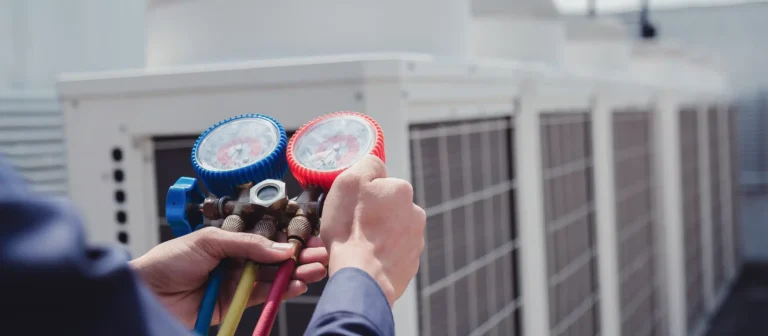
A repipe is usually considered when the whole system shows signs of decline. The key is recognizing the pattern before you are on a first-name basis with your drywall contractor.
The age of your pipes matters, but it is not the whole story
Age is a useful clue, not a verdict. Some piping materials have long service lives under the right conditions. Others were the building industry’s regrettable experiments, like avocado appliances and carpeted bathrooms.
Galvanized steel pipes were common in homes built before the 1960s. They can last several decades, but the inside corrodes over time. As corrosion builds, the pipe narrows. Water pressure drops, rust appears, and eventually leaks begin. The sneaky part is that galvanized pipe often looks tolerable from the outside while the inside resembles an old shipwreck.
Copper became widely used later and can last 50 years or more, depending on water chemistry, installation quality, and local conditions. Copper is strong, clean, and respected for good reason. But it is not immortal. Aggressive water, poor grounding, high velocity, and certain soil conditions can cause pinhole leaks.
Polybutylene piping, often installed from the late 1970s through the mid-1990s, is another story. Many plumbers wince when they see it. It was used heavily because it was inexpensive and easy to install, but it developed a reputation for failures, especially at fittings and connections. If your home has polybutylene, replacement is often recommended even before it performs its dramatic water feature routine.
PEX, a flexible cross-linked polyethylene pipe, is common in modern repiping. It handles scale better than metal, installs efficiently, and is resistant to many corrosion problems. CPVC is another plastic option found in many homes, though it can become brittle with age and heat exposure. No pipe material is magic. If someone promises magic, ask whether they also sell unicorn-based water softener installation.
Signs your old pipes are asking for retirement
A single symptom does not always mean you need a whole-house repipe. But when several signs stack up, the odds shift. Your plumbing system may be less “needs a quick fix” and more “has been quietly plotting a mutiny.”
Here are the warning signs worth taking seriously:
- Repeated leaks in different areas of the home, especially if they happen months apart and involve the same pipe material.
- Rusty, brown, or yellow water that appears after water sits in the pipes overnight.
- Noticeably low water pressure at multiple fixtures, not just one clogged showerhead.
- Visible corrosion, flaking, green staining, or mineral crust on exposed piping.
- Old galvanized, polybutylene, or deteriorating CPVC piping confirmed during inspection.
That list is short because the real work is in the interpretation. Low water pressure can come from a failing pressure regulator, a partially closed main valve, a clogged aerator, or municipal supply issues. Rusty water can come from an aging water heater rather than the pipes. A good plumber does not leap straight to “repipe everything” because one faucet coughs up orange water after a vacation. Diagnosis matters.
Still, patterns matter more. If the downstairs bathroom, kitchen, and laundry room all have declining pressure, and the exposed basement piping is galvanized steel from the Truman administration, we can probably stop pretending the pipes are in their prime.
Rusty water: when color tells a story
Rusty water is one of the most common reasons homeowners call. Sometimes it looks like weak tea. Sometimes it looks like the house is brewing swamp espresso. Either way, it gets attention fast.
If rusty water appears only on the hot side, the water heater may be the culprit. Sediment and tank corrosion can discolor hot water, especially in older units. Water heater repair might solve the issue, or the tank may need replacement if it is near the end of its life. If rusty water appears on both hot and cold sides, especially after sitting overnight, the supply pipes deserve a closer look.
Galvanized pipes corrode from the inside out. The rough interior catches sediment and reduces flow. Over time, the pipe becomes a rusty tunnel with a drinking-water hobby. Homeowners sometimes install filters to deal with discoloration, but a filter does not restore the inside diameter of a corroded pipe. That is like putting a fancy hat on a raccoon and calling it a butler.
Water softeners can help in certain hard-water situations, especially where scale buildup is a major problem. Water softener installation may protect fixtures and appliances, but it will not reverse pipe corrosion that already happened. In some homes, very soft or chemically aggressive water can even contribute to metal pipe issues. Water chemistry should be treated with respect, not vibes.
Low pressure is not always a pressure problem
Low water pressure gets blamed on the city, the showerhead, the water heater, the dishwasher, and occasionally the moon. Sometimes those accusations are fair. Often, the real problem is restricted flow.
Pressure and volume are not the same thing. A corroded galvanized pipe may still show decent static pressure on a gauge when no water is running. But once someone flushes a toilet or starts the washing machine, the narrowed pipe cannot deliver enough water. The shower turns into a sad drizzle. The kitchen faucet wheezes. Family members begin negotiating shower schedules like diplomats trying to prevent war.
If low flow is limited to one fixture, drain cleaning or faucet service may be all you need, depending on whether the problem is supply or drainage. A clogged aerator, old angle stop, or kinked supply line can create localized trouble. But whole-house flow issues, especially in older homes with galvanized pipes, often point toward repiping.
One simple field clue is how the system behaves when multiple fixtures run. If pressure collapses dramatically when two fixtures are on at once, the supply piping may be too restricted or undersized. In old houses, remodels sometimes added bathrooms, laundry rooms, and outdoor hose bibbs without upgrading the original lines. The plumbing equivalent of asking a bicycle to tow a boat.
Leaks that travel in packs
One pinhole leak in copper piping can be bad luck. Two might still be coincidence. Three in different spots is the house tapping you on the shoulder with a wet finger.
Pinhole leaks in copper often show up as tiny sprays or slow weeps. They can hide behind walls, under slabs, or above ceilings. The cause may involve water chemistry, installation defects, electrical grounding issues, excessive water velocity, or a combination. A plumber who has chased enough of these will look for patterns: location, pipe age, hot versus cold side, proximity to fittings, and whether leaks appear near recirculation lines.
With CPVC, failures often happen at brittle sections or stressed fittings. With polybutylene, leaks may occur at fittings, connections, or pipe runs. With galvanized steel, leaks usually arrive after years of internal corrosion, often near threads where the pipe wall is thinner.
The tricky part is that repeated plumbing leak repair can feel cheaper at first. Patch this leak for a few hundred dollars. Patch the next one later. Then another. Then replace drywall. Then repaint. Then discover mold. Then say words your grandmother would not approve of.
At some point, repairs become installment payments on the repipe you should have planned six months earlier.
What a plumber looks for during a repipe evaluation
A proper repipe evaluation is not just a quick glance under the sink followed by a dramatic sigh. It should be methodical. The plumber checks visible pipe material, age, leak history, pressure, flow, water heater connections, shutoff valves, fixture branches, and how the existing system routes through the home. Slab foundations, crawl spaces, attics, finished basements, and multi-story layouts all affect the plan.
They may ask when leaks started, whether water discoloration appears on hot or cold lines, whether pressure changes at certain times of day, and whether previous repairs used different materials. Mixed piping is common. A home might have copper in the basement, galvanized risers in the walls, CPVC repairs in one bathroom, and PEX added during a remodel. Plumbing archaeology is a real thing, minus the tiny brush and museum funding.
The plumber should also look at valves. Old gate valves often fail to close fully. Corroded stops under sinks may leak when touched. Main shutoffs can be unreliable. A repipe is a good time to replace those annoyances with modern ball valves. Future-you will appreciate it when you can shut off one bathroom without turning the entire house into a dry county.
Whole-house repipe or partial repipe?
Not every situation calls for replacing every pipe. Partial repiping can make sense when the problem is isolated to a certain area, such as a bathroom addition with defective CPVC or a buried section feeding a detached garage. If most of the system is modern copper in good shape and one old galvanized branch remains, replacing that branch may solve the issue.
Whole-house repiping makes more sense when the piping material is broadly obsolete, corroded, failure-prone, or already leaking in multiple areas. It also makes sense when access is already open during a major remodel. If walls are coming down anyway, ignoring old pipes hiding inside them is like buying new shoes and keeping the socks from a swamp hike.
Budget also plays a role. A partial repair may buy time, and sometimes time is what a homeowner needs. But it should be an honest decision. A reputable plumber will explain whether a repair is likely to last or whether it is a bandage on You can find out more a pipe system that has joined the witness protection program.
The materials conversation: copper, PEX, and CPVC
Homeowners often ask which pipe material is best. The honest answer is annoying but true: it depends.
Copper has a long track record, holds up well in many conditions, resists UV exposure better than plastics, and can look beautifully tidy when installed by someone who cares. It costs more in material and labor, and it can be vulnerable to certain water chemistry problems. It also requires soldering or press fittings, and installation in tight spaces can take longer.
PEX is widely used for repiping because it is flexible, efficient to install, and less prone to corrosion. It can be routed through framing with fewer fittings, which reduces potential leak points. It also expands better than rigid pipe in freezing conditions, though it is not freeze-proof. It must be protected from sunlight and installed with proper support, fittings, and manufacturer-approved methods.
CPVC is less expensive than copper and has been used successfully in many homes, but it can become brittle, especially older material exposed to heat or certain chemicals. Some plumbers prefer PEX for repipe work because it is more forgiving during installation.
The best material depends on local code, water quality, climate, house layout, budget, and installer skill. Installer skill deserves a spotlight. A sloppy PEX job is not better than a clean copper job just because the brochure looked modern. Good workmanship beats trendy material almost every time.
Repiping and the other systems hiding in your house
A repipe often brushes against other trades. Not in a dramatic crossover episode, but close enough that coordination matters.
If pipes run near electrical panels, old grounding connections, or metallic water lines used for bonding, an electrician may need to verify proper grounding after pipe replacement. Swapping metal pipe for plastic can interrupt an old grounding path. That is not something to shrug at while holding a flashlight in your teeth.
If attic work is involved, HVAC equipment may be nearby. An air conditioning contractor or heating contractor might not be part of the repipe, but crowded attic spaces often contain ducts, refrigerant lines, condensate drains, furnace venting, and sometimes the kind of insulation that makes everyone itch by memory alone. Careful routing prevents damage to systems tied to air conditioning maintenance, air conditioning repair, furnace repair service, or heat pump installation.
Gas lines are separate from water lines, of course, but older homes may have tight utility spaces where a gas installation service or plumber certified for gas work should be the only person touching gas piping. If anyone treats gas lines casually, show them the door, preferably one leading outside.
Lighting can also matter more than people think. A lighting contractor may not be needed for a repipe, but access panels, basement utility rooms, and crawl spaces benefit from decent lighting. Nothing says “future maintenance nightmare” like a shutoff valve hidden in darkness behind a holiday decoration labeled “misc.”
If your property uses a septic system, repiping the supply lines usually does not affect the septic system service directly. Still, major plumbing work is a good time to think about drainage performance. Supply pipes bring clean water in. Drains carry wastewater out. They are different systems, but homeowners experience them as one creature. If sinks are slow or tubs gurgle, drain cleaning, rooter service, or hydrojetting may be needed separately. New supply lines will not fix a root-packed sewer lateral. Would be nice if they did. They do not.
What happens during a repipe
Repiping sounds like the house will be peeled open like a sardine can. Sometimes access is involved, yes, but a skilled crew plans routes to limit wall and ceiling cuts. The process depends heavily on the home’s construction.
In a crawl space, plumbers may run new lines below the floor and stub up to fixtures. In an attic, they may route lines overhead, with insulation and freeze protection handled carefully. In a slab home, rerouting through walls and attic spaces is often preferable to cutting concrete, though every house has its own personality and at least one ridiculous obstacle.
Water is usually shut off during portions of the work. Many whole-house repipes take one to several days depending on size, access, inspections, and drywall repair scheduling. Large homes, complex layouts, or multi-unit properties can take longer. A small one-bath bungalow is not the same animal as a two-story house with four bathrooms, a recirculation line, an outdoor kitchen, and a laundry room that appears to have been designed by a committee of raccoons.
The general rhythm looks like this:
- Inspect the existing system, confirm pipe material, and design the new routing.
- Protect floors and work areas, then open limited access points where needed.
- Install new piping, valves, and fixture connections according to code.
- Pressure-test the system, inspect for leaks, and complete required inspections.
- Restore water service, flush lines, and coordinate patching or finish repairs.
That is the tidy version. Real houses add quirks. A buried shutoff may not close. A cabinet back may hide an old fitting. A previous remodel may have trapped pipes behind tile installed with the enthusiasm of a medieval fortress builder. Good crews adapt without turning the job into a demolition festival.
The cost question, also known as the part everyone reads twice
Repiping cost varies widely. Size of home, number of fixtures, pipe material, access, local labor rates, permit requirements, drywall repair, and code upgrades all affect the price. A modest partial repipe may cost far less than a whole-house project. A whole-home repipe can range from several thousand dollars to well into five figures for larger or more complex properties.
The cheapest quote is not always the bargain it appears to be. If one bid excludes drywall, permits, valve replacement, insulation, or water heater reconnection details, it may look friendlier than it really is. If another includes those items, compare the scope before comparing the total. A low number with vague details is how wallets get ambushed.
Ask whether the estimate includes fixture stops, supply lines, hose bibbs, pressure regulator work, permits, inspections, and patching. Also ask how the crew protects the home. Drop cloths and dust control do not make the pipes work better, but they make the experience less like hosting a raccoon rodeo indoors.
When insurance helps, and when it probably will not
Homeowners insurance may cover sudden water damage from a burst pipe, depending on the policy and circumstances. It generally does not cover repiping simply because pipes are old or deteriorated. Insurance is designed for sudden accidental losses, not routine wear and tear. The line can feel unfair, especially when the old pipe chooses a spectacular failure mode above a finished ceiling.
If you have a leak, document damage with photos, stop the water, and call your insurer promptly. But do not assume the policy will pay to replace the entire plumbing system. It may cover access, water mitigation, and repairs to damaged finishes while excluding the aged pipe itself. Policy language matters, and adjusters are not known for handing out blank checks because your galvanized pipes had a long and meaningful life.
Water heaters, pressure regulators, and why repipes expose weak links
New pipes can reveal old problems. If a home had restricted galvanized lines, the system may have been accidentally limiting flow for years. Once new piping goes in, weak valves, old fixture cartridges, failing water heater connections, or a tired pressure regulator may show themselves.
Pressure matters. Excessive water pressure stresses pipes, fixtures, water heaters, washing machine hoses, and ice maker lines. Many homes perform best around 50 to 70 psi, though local codes and conditions vary. If pressure is too high, a pressure-reducing valve and expansion tank may be required or recommended, especially with a water heater installation.
Water heater repair may also enter the conversation. Old shutoffs, dielectric unions, recirculation pumps, and expansion tanks should be evaluated during repiping. If the water heater is already near the end of its expected life, replacing it during a repipe can save labor and prevent another disruption soon after. Nobody wants to patch drywall, repaint, exhale, and then have the water heater audition for a disaster movie.
Repiping before selling or after buying
Repiping can affect real estate decisions. Buyers may hesitate when inspections reveal old galvanized or polybutylene piping. Sellers may choose to repipe before listing, or they may price the home accordingly. Neither approach is automatically right.
If you are buying, do not panic just because the inspector notes old pipes. Get a plumbing evaluation. Find out whether the system is functioning, whether leaks are active, what material is present, and what replacement might cost. A house with old pipes can still be a good purchase if the price reflects the needed work.
If you are selling, hiding plumbing problems is a terrible strategy and, in many places, a legal problem. Disclose known issues. If you recently completed plumbing repiping, keep permits, invoices, and material details. Buyers like documentation. It makes them feel less like they are purchasing a mystery box with shutters.
The special case of remodels
Bathroom and kitchen remodels are prime opportunities to address old pipes. If you are already opening walls and moving fixtures, repiping that area can be cost-effective. Leaving old galvanized pipe inside a freshly tiled shower wall is an act of optimism bordering on performance art.
Remodels also change demand. Adding body sprays, a soaking tub, a second vanity, or a larger kitchen may require updated pipe sizing. A beautiful new bathroom fed by clogged old half-inch galvanized lines will not feel luxurious. It will feel like filling a bathtub with a drinking straw while questioning your choices.
Coordinate early. The plumber should be involved before cabinets, tile, and fixtures are finalized. Rough-in locations, valve access, water heater capacity, and drain routing all influence the final result. Drain cleaning may be needed if old lines are slow, and in some cases hydrojetting can clear buildup before new fixtures go online. Supply upgrades and drain problems are separate, but remodels have a way of revealing both.
Do not ignore the drains just because the supply pipes are guilty
Repiping usually addresses water supply lines, not clogged drains or failing sewer lines. Homeowners sometimes expect a repipe to fix every plumbing annoyance. It will improve clean water delivery, but it will not remove grease from a kitchen drain or roots from a sewer lateral.
If drains are slow throughout the house, you may need rooter service, camera inspection, drain cleaning, or hydrojetting. Older homes can have cast iron drains that corrode, clay sewer lines invaded by roots, or bellied pipe sections that hold waste. A septic system adds another layer. Septic system service may be needed if backups, odors, soggy drain fields, or slow fixtures point beyond the indoor plumbing.
A thorough plumber will separate supply issues from drainage issues. Both matter. Mixing them up leads to expensive disappointment and a homeowner staring at a newly repiped sink that still drains like it is contemplating retirement.
The quiet benefits nobody brags about enough
Repiping does not have the glamour of a new countertop, but the benefits are deeply satisfying. Water pressure improves. Rusty water disappears when corroded lines were the cause. Leaks stop recurring. Shutoff valves actually shut off. Fixtures perform the way they were supposed to before the plumbing started aging like a banana in a glovebox.
There is also peace of mind. A homeowner who has dealt with multiple leaks knows the particular anxiety of hearing water run when no one is using a fixture. After a proper repipe, that background dread fades. You stop inspecting ceilings like a suspicious detective. You stop storing towels near the utility room “just in case.” Your relationship with your house becomes less adversarial.
For landlords, repiping can reduce emergency calls and tenant disruption. For families, it can mean normal showers, faster laundry, and fewer plumbing surprises. For anyone with finished basements, expensive flooring, or rooms full of things that dislike water, it can be a practical form of risk management.
How to choose the right contractor
Repiping is not a handyman experiment. Hire a licensed plumber or plumbing contractor with specific repipe experience. The work involves code compliance, pressure testing, proper support, fixture connections, water heater safety, and sometimes coordination with an electrician or HVAC trades. You want someone who understands both the pipes and the house around them.
Look for clear scope, permit handling, material specifications, warranty terms, and a realistic schedule. Ask how many access cuts they expect, who repairs the walls, and what happens if hidden conditions appear. A confident contractor can explain the plan without making it sound like they are reading from a cereal box.
Be cautious with anyone who diagnoses a full repipe without inspecting properly. Also be cautious with anyone who insists endless repairs are fine when your home has obvious system-wide failure. The best advice often sits between fearmongering and denial.
So, when is it time?
It is time to seriously consider repiping when old pipe material, repeated leaks, rusty water, declining flow, and visible corrosion begin telling the same story. It is time when repairs no longer feel isolated. It is time when you are spending money on patches while the underlying system keeps failing. It is time when a remodel opens walls that hide pipes already past their prime.
It may not be time if you have one localized leak, one clogged fixture, one bad valve, or a water heater issue masquerading as a piping problem. That is why evaluation matters. A good plumber will test, inspect, ask questions, and give you options. Sometimes the answer is a simple repair. Sometimes the answer is a partial repipe. Sometimes the house needs new supply lines before it redecorates itself in ceiling stains.
Old pipes are not a moral failing. They served their sentence. They carried water for decades, survived remodels, freezes, mineral buildup, questionable repairs, and possibly a previous owner who thought pipe dope was a personality trait. When they are done, they are done.
Replacing them is not the flashiest home improvement, but it is one of the most useful. The best plumbing is boring, quiet, reliable, and largely unnoticed. If your pipes have become exciting, repiping may be how you make them boring again. And in plumbing, boring is beautiful.
Name: Service Lion Plumbing Heating Air Electric
Address: 521 W Briardale Ave, Orange, CA 92865, United States
Phone: (657) 567-7305
Website: https://callservicelion.com/
Email: [email protected]
Hours:
Monday: Open 24 hours
Tuesday: Open 24 hours
Wednesday: Open 24 hours
Thursday: Open 24 hours
Friday: Open 24 hours
Saturday: Open 24 hours
Sunday: Open 24 hours
Open-location code: R48R+WV Orange, California, USA
Map/listing URL:
https://www.google.com/maps/search/?api=1&query=Google&query_place_id=ChIJQU4LBWHV3IARtnABtyykSA4
Google Map:
Socials:
https://www.facebook.com/ServiceLionCA/
https://www.youtube.com/channel/UCR_L35QzsRTxYZtX8PxJvPw
Local Service Information
Service Lion Plumbing Heating Air Electric provides plumbing, drain, heating, air conditioning, and electrical services from its Orange, California location.The company serves homeowners and properties throughout Orange and communities across Orange County and surrounding areas.
Available services include plumbing repairs, water heater work, drain and sewer services, heating and cooling service, electrical repairs, panels, lighting, outlets, and related home-system work.
Service is available for residential properties as well as light commercial needs described within the company's local service-area information.
The company's website emphasizes locally operated service, coordinated home-system support, and practical scheduling for plumbing, HVAC, and electrical needs.
The matching public business listing shows the Orange location as open 24 hours a day, seven days a week.
For service information or scheduling, call (657) 567-7305 or visit https://callservicelion.com/.
The public map listing identifies the business at 521 W Briardale Ave, Orange, CA 92865 and can be used for location and direction information.
Popular Questions About Service Lion Plumbing Heating Air Electric
What services does Service Lion Plumbing Heating Air Electric provide?
The company provides plumbing, drain and sewer, heating, air conditioning, and electrical services. Its published services include plumbing repair, water heaters, drain clearing, sewer work, HVAC repair and installation, electrical repairs, panels, circuit breakers, lighting, outlets, and related services.
Where is Service Lion Plumbing Heating Air Electric located?
The matching business location is 521 W Briardale Ave, Orange, CA 92865, United States.
What areas does Service Lion Plumbing Heating Air Electric serve?
The company serves Orange County and surrounding communities. Its published service-area information includes Orange, Anaheim, Brea, Yorba Linda, Fullerton, Huntington Beach, Newport Beach, Costa Mesa, Irvine, Lake Forest, and additional nearby cities.
Is Service Lion Plumbing Heating Air Electric open 24 hours?
The matching public business listing shows the location as open 24 hours on Monday through Sunday.
Does Service Lion Plumbing Heating Air Electric work on drains and sewer lines?
Yes. Published services include drain clearing, rooter service, camera inspection, hydro jetting, sewer line repair and installation, water line work, slab leak detection, and trenchless sewer line repair.
Does Service Lion Plumbing Heating Air Electric provide heating and air conditioning service?
Yes. Its published HVAC services include air conditioning repair and installation, heating service, furnace work, heat pumps, air ducts, indoor air quality assessments, and thermostat installation.
Does Service Lion Plumbing Heating Air Electric provide electrical service?
Yes. Published electrical services include repairs and installations, electrical panels, circuit breakers, safety inspections, lighting, outlets and switches, surge protection, generators, and EV charging equipment installation.
How can I contact Service Lion Plumbing Heating Air Electric?
Call (657) 567-7305.
Email: [email protected]
Website: https://callservicelion.com/
Facebook: https://www.facebook.com/ServiceLionCA/
Landmarks Near Orange, California
Old Towne Orange Historic District
A central historic district and useful geographic reference point for the Orange community.
Plaza Park
A well-known public gathering point in the center of Old Towne Orange.
Orange Public Library & History Center
A civic landmark serving residents near central Orange.
Hart Park
A major public park and recreation area south of central Orange.
Eisenhower Park
A public park serving neighborhoods in northern Orange.
Santiago Oaks Regional Park
A regional recreation and open-space landmark on the eastern side of Orange.
Irvine Regional Park
A large regional park and recognizable reference point east of the city.
Orange Park Acres
A distinctive residential community and service-area reference point in eastern Orange.
El Modena
An established Orange neighborhood that provides a practical local coverage reference.
Glassell Street
One of the city's principal north-south streets and a useful route through central Orange.
Lincoln Avenue
A major east-west roadway serving northern Orange and nearby communities.
State Route 55
A primary regional freeway connecting Orange with other parts of Orange County.