Septic System Service Mistakes That Can Damage Your Property
A septic system is one of those household features that behaves beautifully right up until the day it becomes the villain in a very expensive story. When it works, nobody praises it. Nobody raises a toast to the drain field. Nobody says, “You know what really held this barbecue together? The wastewater treatment system.” But when septic system service goes sideways, the damage can crawl through a yard, back into a basement, seep toward a well, or turn a perfectly respectable lawn into something that smells like a swamp with legal problems.
The trouble is that many septic mistakes look harmless at first. A skipped pumping here. A bottle of miracle bacteria there. A contractor who says, “We’ll just run the hydrojetter through it,” without asking where the line goes. A homeowner who treats the tank like a garbage disposal with a lawn over it. None of these choices announces itself with a marching band. Septic damage is sneakier than that. It gives you slow drains, soggy grass, gurgling toilets, and the faint odor of regret.
Good septic system service is part plumbing, part soil science, part common sense, and part knowing when not to touch something. The best Plumber or septic technician I’ve worked with is usually the one who asks more questions before opening the tank than the cheap one asks after breaking something.
The big mistake: treating a septic system like a city sewer
A home connected to a municipal sewer has a very forgiving exit strategy. Wastewater leaves the house, heads into a larger public system, and becomes someone else’s engineering problem. A septic system does not offer that luxury. Everything that goes down the drains stays on the property long enough to matter.
That means your toilets, sinks, showers, washing machine, dishwasher, water softener discharge, and sometimes basement floor drains all send water into a private treatment system. The tank separates solids from liquids. Bacteria break down organic matter. Effluent moves out to a drain field where soil finishes the treatment. It is an elegant arrangement, provided nobody treats it like a bottomless pit wearing a concrete hat.
One of the most common service mistakes is applying sewer-line thinking to septic-line problems. A backed-up main line in a city home might call for Drain cleaning, Rooter service, or Hydrojetting depending on the blockage and pipe condition. Those same tools can be appropriate on septic properties too, but only when the technician understands the tank, baffles, distribution box, and drain field layout. Blast the wrong line with high-pressure water and you may push sludge where it should never go. Send a cutting head too aggressively through an old pipe and you might turn a blockage into a trenching project.
The phrase “just clean the line” has ruined more weekends than rain at a wedding.
Skipping inspections because everything “seems fine”
Septic systems rarely fail politely. They prefer drama. By the time wastewater surfaces in the yard or backs up through a shower drain, the system may have been struggling for months or years.
A proper inspection is not the same as lifting a lid, squinting into the tank, and declaring, “Yep, that’s septic.” A useful service visit checks sludge and scum levels, inlet and outlet baffles, signs of root intrusion, evidence of hydraulic overload, the condition of risers and lids, and whether effluent is moving properly toward the distribution area. On older properties, it may also involve finding the tank in the first place, which can become a treasure hunt nobody enjoys.
I once saw a homeowner delay pumping for nearly a decade because “there were only two of us in the house.” Fair enough, fewer people usually means less waste. But they had also added a large soaking tub, hosted family for long summer stays, and ran frequent laundry loads. The tank was so full of solids that the outlet baffle had become more decorative than functional. Solids reached the drain field, and the repair bill stopped being a pumping bill and started dressing like a small used car.
Frequency depends on tank size, household size, water use, and what goes down the drain. Many homes land somewhere around every three to five years for pumping, but that is not a universal rule. A family of six with a 1,000-gallon tank and a love of long showers is not living the same septic life as a retired couple in a house with low-flow fixtures.
Pumping at the wrong time, or not pumping completely
Pumping sounds simple. Truck arrives. Hose goes in. Tank gets emptied. Everyone pretends the smell is not happening. But poor pumping practices can create their own damage.
A septic tank has compartments for a reason. If only one compartment is pumped, solids can remain where they continue causing trouble. If a technician does not check baffles or filters, a clog may be left waiting to cause a backup next week. If the tank is pumped during flooding or when the ground is saturated, some tanks, especially lighter fiberglass or plastic ones, can shift or even float if groundwater pressure is high enough. Concrete tanks are less likely to do this, but they are not immune to bad site conditions and sloppy service.
There is also the classic mistake of pumping a tank and calling it repaired when the real problem is downstream. If the drain field is saturated, clogged, compacted, or invaded by roots, an empty tank only buys time. It is like mopping the kitchen while the sink is still overflowing. Noble, but not exactly strategic.
A good septic system service provider looks for why the tank was full, whether it was full in a normal way, and what happens after it is emptied. That last part matters. If effluent flows back into the tank from the outlet side, you may have a drain field or distribution issue. If the inlet pipe is clogged, the house may back up even after pumping. If the tank refills quickly without normal water use, groundwater infiltration or a plumbing leak may be involved.
That is where a Plumber who understands septic properties earns their keep. Plumbing leak repair is not just about saving water. On a septic system, a running toilet can send hundreds of gallons a day into the tank and drain field. The drain field does not care that the water is “clean.” It still has to absorb it.
Letting roof drains, sump pumps, and softeners overload the system
Septic systems are designed for expected household wastewater. They are not thrilled when homeowners introduce surprise guests.
Roof downspouts, foundation drains, and sump pumps should not discharge into septic systems. It sounds obvious until you see the creative plumbing choices hidden in older basements. Rainwater can overwhelm a tank and flood the drain field, especially during storms when the soil is already wet. A septic system needs time and oxygen in the soil to treat effluent. Drowning the field turns the process into a soggy argument.
Water softener installation also deserves attention. In many areas, softener regeneration discharge is allowed into septic systems; in others, it may be discouraged or regulated based on soil conditions, system design, and local code. The issue is not simply salt, despite what the neighborhood rumor committee may claim. The bigger practical concern can be water volume, regeneration frequency, and how that discharge interacts with an already marginal system. If a home has hard water, a properly sized and programmed softener can be reasonable. A badly set unit that regenerates too often is the appliance equivalent of a guest who keeps flushing just to hear the plumbing.
The same goes for high-efficiency fixtures and appliances. Low-flow toilets and efficient washers can help reduce hydraulic load, but they do not solve a system clogged with years of grease and solids. Conservation helps a healthy system stay healthy. It does not magically resurrect a dead drain field, though I admire the optimism.
Using additives like bottled hope
Septic additives are marketed with the confidence of carnival tonics. Pour this down the drain and watch your tank clean itself. No pumping needed. Fresh scent. Happy bacteria. Possibly a smiling cartoon microbe wearing a cape.
Most septic tanks already contain bacteria because, to put it delicately, bacteria arrive with the material being treated. Some additives are harmless. Some are unnecessary. Some can disturb the settling process or encourage solids to move out Plumber of the tank. Products claiming to eliminate pumping should be treated with the same suspicion you would give a furnace repair service that promises your heating system will never need maintenance if you sprinkle glitter in the return vent.
Pumping removes accumulated solids. Bacteria break down some waste, but not everything. Grit, wipes, hair, lint, plastics, cigarette filters, dental floss, feminine hygiene products, and grease do not politely vanish because a bottle said “professional strength.” They settle, float, clog, or travel where they should not.
The best additive is boring behavior: pump when needed, conserve water, keep grease out, and stop using the toilet as a household suggestion box.
Flushing “flushable” wipes, the tiny cloth villains
If septic tanks could testify in court, flushable wipes would be convicted before lunch.
The word “flushable” often means the wipe can physically pass through the toilet trap. That is a very low bar. A golf ball might pass through some drains under the right circumstances, but nobody calls it plumbing-friendly except maybe a plumber shopping for a boat.
Wipes do not break down like toilet paper. They snag on roots, baffles, rough pipe interiors, and pump components. In a septic tank, they can mat together into ropey clumps that interfere with flow and pumping. I have watched a technician pull wipe masses from a tank that looked like a laundry accident in a horror film. The homeowner insisted they used only “septic-safe” wipes. The tank, being less impressed by packaging, disagreed.
Paper towels, disposable mop pads, cotton swabs, and hygiene products belong in the trash. Septic systems are not moral philosophers. They do not care why something was flushed. They simply clog.
Hiring the cheapest service without checking septic experience
Price matters. Nobody wants to pay luxury rates for a truck full of unpleasantness. But septic work is one of those trades where the cheapest option can become the most expensive invoice on the property.
A general Plumber may be excellent at Water heater repair, Water heater installation, Plumbing repiping, Drain cleaning, and fixture work, yet may not be the right person to diagnose a failing drain field. Likewise, a septic pumping company may be great with tanks but not licensed or equipped for interior plumbing repairs. The trick is matching the problem to the professional.
A backed-up tub could be a clogged branch drain, a full septic tank, a blocked inlet baffle, a crushed sewer line, tree roots, or an overloaded drain field. The symptoms overlap. That is why a good technician avoids guessing. They ask when the tank was last pumped, whether all drains are affected, whether the problem worsens after laundry, whether the yard is wet, and whether there are odors outside or inside. If needed, they use a camera, locate the tank, inspect the distribution box, or recommend a septic specialist.
The same principle applies across home systems. You would not hire an Air conditioning contractor to perform Gas installation service unless they were licensed for it. You would not call a Lighting contractor for Furnace repair service just because both involve electricity somewhere in the building. An Electrician, Heating contractor, Air conditioning repair service, and septic professional may all work on the same property, but they are not interchangeable like socket adapters.
When a contractor says, “I do everything,” ask what they are licensed and insured to do. Then ask what they do every week. Experience shows up in the questions they ask before they quote.
Warning signs that service is being handled badly
Most homeowners do not need to become septic engineers. That way lies madness and a garage full of tools you will use once. Still, you should know when a service call is drifting into dangerous territory.
A few red flags deserve your attention:
- The technician recommends Hydrojetting before locating the tank or confirming the line layout.
- Nobody checks sludge depth, baffles, filters, or the outlet condition during pumping.
- The company claims additives will replace regular pumping.
- Heavy equipment drives over the drain field without any discussion of soil conditions.
- The diagnosis is instant, expensive, and delivered without inspection.
That is one of the two lists you get, so savor it. The point is not that every rushed technician is incompetent. Sometimes the problem really is obvious. If sewage is bubbling from a broken pipe, we do not need a symposium. But expensive septic decisions should rest on more than vibes and a muddy boot print.
Crushing the drain field with vehicles, patios, and good intentions
The drain field is not just “the back part of the yard.” It is a living treatment area, and it needs space, oxygen, and intact soil structure. Compact the soil and you reduce its ability to absorb and treat effluent. Build over it and you residential plumbing leak repair can trap moisture, block evaporation, limit oxygen, and make repairs harder. Drive over it with trucks and you may crush pipes or chambers.
Homeowners damage drain fields in surprisingly cheerful ways. They park an RV “just for the weekend.” They install a shed because the grass is already flat there. They plant trees for shade, then act betrayed when roots discover a nutrient-rich moisture source nearby. They bring in landscaping equipment after rain and leave ruts deep enough to qualify as minor geography.
Grass is usually the safest cover over a drain field. Shallow-rooted plants can work if chosen carefully, but deep-rooted shrubs and trees are risky near lines. The exact safe distance depends on species, soil, and system design, but willows, poplars, silver maples, and other thirsty trees are notorious troublemakers. Tree roots do not read site plans. They follow water.
If you are planning a deck, pool, addition, driveway, patio, fence, or even a serious landscaping project, locate the septic components first. Future-you will appreciate not discovering the distribution box with an auger.
Ignoring the distribution box because it is not glamorous
No part of a septic system is glamorous, admittedly, but the distribution box is especially overlooked. It divides effluent from the tank into drain field lines. If it settles, clogs, cracks, or becomes root-invaded, one section of the field can be overloaded while another sits underused.
That uneven loading can mimic a failing drain field. One area becomes soggy, smelly, or slow to absorb water, while the rest of the field could still function if flow were balanced. A careful inspection may find that the distribution box needs cleaning, leveling, repair, or replacement. That is much better news than replacing the entire field, though it still will not be anyone’s favorite way to spend money.
I have seen homeowners approve major excavation because nobody bothered to expose and inspect the distribution box first. That is like replacing an air conditioner because the thermostat batteries died. Yes, the house is uncomfortable. No, the diagnosis was not majestic.
Confusing plumbing backups with septic failure
When drains back up, panic tends to outrun logic. Fair enough. Nothing inspires urgency like wastewater appearing in a place where bath mats live.
But not every backup means the septic system has failed. A single slow sink may need trap cleaning. A shower that backs up when the washing machine drains could point to a clogged interior line. Multiple fixtures backing up at the lowest level may suggest a main line obstruction or full tank. Toilets that gurgle after heavy rain might indicate saturated soil, groundwater intrusion, or venting issues.
Drain cleaning and Rooter service can solve certain clogs, especially between the house and tank. Camera inspection helps identify roots, bellied pipe, crushed sections, grease, or foreign objects. Hydrojetting can be effective for grease and sludge in suitable pipes, but older clay, Orangeburg, fragile cast iron, or poorly supported lines need caution. A responsible technician adjusts the method to the pipe, not the other way around.
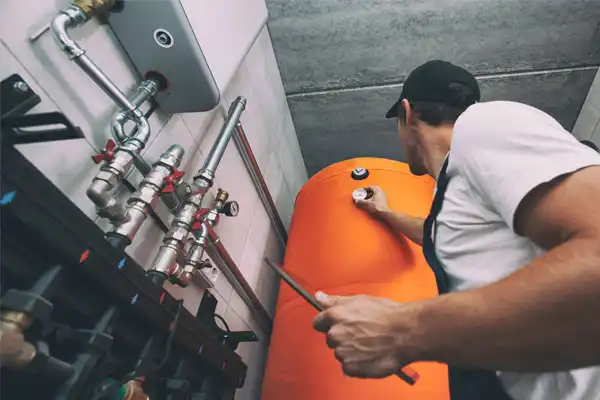
One sneaky culprit is the plumbing vent. Blocked vents can cause gurgling, slow drains, and trap siphoning. That does not mean the septic tank is innocent, but it does mean the diagnosis should include the whole drainage system. Houses are systems. They enjoy making professionals prove it.
The air conditioning and heating connection nobody thinks about
Septic damage is usually discussed as a plumbing issue, but mechanical systems can get involved in odd ways. Condensate from an Air conditioning repair, Air conditioning maintenance, or Air conditioning tune-up visit may reveal drainage problems if the condensate line ties into plumbing improperly or discharges where it saturates soil near septic components. Most residential condensate volumes are modest, but poor routing can still create moisture issues around foundations or sensitive areas.
Heat pump installation may involve outdoor unit placement, trenching for lines, electrical work, and condensate management depending on the setup. A Heating contractor or Air conditioning contractor should know where the septic tank and drain field are before placing equipment or running lines. Outdoor units need service access and stable pads. Septic fields need protection from compaction and excavation. These two needs can coexist nicely, unless someone chooses “convenient” over “mapped.”
An Electrician installing service to a shed, hot tub, generator, or outdoor lighting should also know septic locations before trenching. A Lighting contractor placing landscape fixtures may not think a shallow cable trench matters, but hitting a septic line is a memorable way to add fragrance to a project. Gas installation service for outdoor kitchens, pool heaters, or standby generators raises similar concerns. Any trenching contractor should see a septic sketch, permit record, or field marking before work begins.
The trades do overlap on real properties. That does not mean everyone needs to be a septic expert. It means the left hand should know where the drain field is before the right hand rents a trencher.
Water heaters, leaks, and the septic system’s patience
A leaking fixture is annoying on sewer. On septic, it can become a slow-motion overload.
A running toilet may waste 200 gallons a day or more depending on the leak. A dripping faucet may waste far less, but constant flow still adds up. A failed Water heater repair situation, such as a leaking tank or relief valve discharge routed into a drain, can send unexpected water into the septic system. During Water heater installation, discharge piping and drain connections should follow code and avoid creating hidden septic load problems.
Plumbing leak repair protects floors, cabinets, and utility bills, but it also protects the drain field. Septic systems depend on dose and rest cycles. Water enters, the tank processes, effluent moves out, soil absorbs, oxygen returns. Constant leakage removes the rest period. The system becomes like a dishwasher that never finishes a cycle because someone keeps opening the door.
Plumbing repiping can also affect septic performance indirectly. New pipes may improve flow, which is good, but old habits remain. If repiping accompanies a remodel that adds bathrooms, bedrooms, laundry capacity, or rental occupancy, the septic system should be evaluated for the new load. A larger house population on an old small tank is not “charming.” It is arithmetic.
Grease, garbage disposals, and kitchen optimism
Kitchen drains cause septic problems with remarkable enthusiasm. Grease is the obvious villain, but it often arrives disguised as “just a little pan rinse.” Warm grease flows easily. Then it cools, sticks to pipes, floats in the tank, and contributes to scum buildup. Over time, grease can clog inlet areas, filters, and soil interfaces in the drain field.
Garbage disposals add solids the septic system did not ask for. Some systems can tolerate moderate disposal use if the tank is sized and pumped accordingly. Others cannot. If you use a disposal heavily, expect more frequent pumping. Better yet, compost what you can and trash what you cannot. Septic tanks prefer a bland diet.
Coffee grounds, eggshells, rice, pasta, flour, and fibrous vegetable scraps are all poor candidates for septic dining. Rice and pasta swell. Flour becomes paste. Coffee grounds settle like tiny gravel with ambition. None of this makes the tank explode, but septic damage is usually cumulative. It is less “one fatal spaghetti night” and more “five years of tiny bad decisions forming a committee.”
Mistaking odor control for problem solving
A septic odor indoors or outdoors is not normal. It may come from a dry trap, a cracked vent, a loose cleanout cap, a failing wax ring, a full tank, a blocked vent, or surfacing effluent. Spraying deodorizer over the smell is not repair. It is perfume on a raccoon.
Indoor sewer odors deserve prompt attention because they may indicate sewer gas entering the home. Besides smelling awful, sewer gas can contain methane and hydrogen sulfide. Concentrations in homes are typically more of an odor and irritation concern than an explosion scenario, but dismissing it is foolish. If the smell is strong, persistent, or accompanied by symptoms like headaches or nausea, ventilate and call a professional.
Outdoor odors near the tank lids may mean loose covers, damaged risers, or venting issues. Odors near the drain field can be more serious, especially if the ground is wet or unusually green. That lush emerald stripe in the yard may not be your lawn thriving. It may be your drain field sending a botanical distress signal.
DIY digging and the ancient art of making things worse
There is a noble place for do-it-yourself work. Painting a bedroom, replacing a flapper, clearing a hair clog, installing a shelf that is only slightly crooked. Septic excavation is usually not that place.
Tanks can be deeper than expected. Lids can be cracked, heavy, or unsafe. Old tanks may have deteriorated concrete or unstable covers. Falling into a septic tank is not just disgusting; it can be fatal due to gases and engulfment hazards. Never enter a septic tank. Not for a tool, not for a dare, not because someone on a forum said they did it once and “it was fine.”
Even shallow digging can damage pipes, lids, inspection ports, electrical lines for pumps or alarms, and distribution components. If your system has a pump chamber, additional risks enter the chat. Septic pumps, floats, alarms, and controls require proper electrical safety. That is Electrician territory when wiring is involved, not “my cousin has a voltmeter” territory.
If you need to expose lids for pumping, careful hand digging may be reasonable if you know where they are and conditions are safe. Installing risers after service is often worth the cost because it makes future pumping easier and reduces the temptation to dig like a pirate every few years.
What responsible septic service looks like
Good septic service is not mysterious. It is methodical. The technician identifies the system layout, asks about symptoms, confirms the last pumping date if known, opens the correct lids, pumps all required compartments, checks visible components, watches for abnormal flow, and explains what they found in plain English. If they recommend additional work, they can describe why.
Here is a compact homeowner checklist for a service visit:
- Know or locate the tank, drain field, and cleanouts before there is an emergency.
- Share recent symptoms, water use changes, remodels, and backup history with the technician.
- Ask whether baffles, filters, and both compartments were inspected.
- Keep vehicles and heavy equipment off the drain field during and after service.
- Save service records, photos, sketches, and pumping dates.
That checklist is not fancy, but it is powerful. Records prevent guesswork. Photos prevent future excavation surprises. A sketch showing tank, cleanouts, distribution box, and drain field can save hours during an emergency. If you sell the home, those records also help the next owner avoid turning your old yard into a mystery novel.
The remodel trap: adding comfort without adding capacity
Home improvements can quietly strain septic systems. A finished basement adds a bathroom. A garage apartment adds occupancy. A luxury shower adds flow. A second laundry area doubles wash-day demand. A short-term rental turns a sleepy three-bedroom home into a revolving festival of showers, laundry, and people flushing things they would never flush at home. Humanity behaves differently on vacation. Septic systems notice.
Before major remodeling, check the septic permit and capacity. Many systems are sized by bedrooms, not bathrooms, because bedrooms estimate occupancy. Local rules vary, so assumptions are dangerous. Adding bedrooms without septic approval can create code problems, resale problems, and practical wastewater problems.
Heat pump installation, new air handlers, Water heater installation, or bathroom additions often happen as part of comfort upgrades. That is a good time to think about water use as a whole. High-flow fixtures feel luxurious until the drain field starts waving a white flag. Modern efficient fixtures can preserve comfort while reducing load, but the system still has to match the home’s real use.
A good contractor team communicates. The Plumber knows the septic limits. The Heating contractor avoids the drain field. The Electrician checks trench paths. The Air conditioning contractor places equipment sensibly. Nobody gets a trophy for discovering the tank with a skid steer.
When replacement or major repair is unavoidable
Sometimes the mistake is pretending service can fix what has already failed. A drain field that is clogged with biomat beyond recovery, installed in unsuitable soil, crushed by traffic, or saturated due to site drainage may need major repair or replacement. A cracked tank may need replacement. A collapsing line may need excavation. No amount of pumping will cure a system that cannot discharge effluent safely.
The hard part is deciding when maintenance ends and repair begins. That judgment requires inspection, soil conditions, age, records, water use, and sometimes local health department involvement. Costs vary widely by region, access, soil, system type, permitting, and engineering requirements. A simple tank repair might be manageable. A full replacement can be a major investment. Advanced treatment systems cost more and require ongoing maintenance, but they may be necessary on challenging lots.
Be wary of both extremes: the contractor who declares total failure without evidence, and the homeowner who insists one more pumping will fix a drain field that has been surfacing sewage since spring. Septic systems reward honesty, even when honesty smells expensive.
A few habits that keep the yard boring, which is the goal
A boring septic system is a successful septic system. No odors. No lush wet patches. No gurgling soundtrack. No emergency truck arriving during a holiday dinner while guests pretend not to look out the window.
Use water thoughtfully. Spread laundry through the week instead of running six loads in a row. Fix leaks quickly. Keep grease and wipes out. Pump based on actual conditions. Protect the drain field from traffic and construction. Ask contractors where they plan to trench, park, or discharge water. If someone is working on plumbing, air conditioning repair, electrical, lighting, heating, or gas lines outside, make sure septic components are marked before the work starts.
Most property damage from septic service mistakes comes from a handful of causes: wrong assumptions, deferred maintenance, excessive water, physical damage to the drain field, and hiring people who treat the system like a sewer pipe with scenery. None of those are inevitable.
Septic systems are not glamorous, but they are loyal when treated properly. Give them regular attention, keep nonsense out of the drains, and hire professionals who know the difference between a clog, a full tank, and a failing field. Your reward is a yard that smells like grass, a basement that stays dry, and a plumbing system that does not try to become the main character.
Name: Service Lion Plumbing Heating Air Electric
Address: 521 W Briardale Ave, Orange, CA 92865, United States
Phone: (657) 567-7305
Website: https://callservicelion.com/
Email: [email protected]
Hours:
Monday: Open 24 hours
Tuesday: Open 24 hours
Wednesday: Open 24 hours
Thursday: Open 24 hours
Friday: Open 24 hours
Saturday: Open 24 hours
Sunday: Open 24 hours
Open-location code: R48R+WV Orange, California, USA
Map/listing URL:
https://www.google.com/maps/search/?api=1&query=Google&query_place_id=ChIJQU4LBWHV3IARtnABtyykSA4
Google Map:
Socials:
https://www.facebook.com/ServiceLionCA/
https://www.youtube.com/channel/UCR_L35QzsRTxYZtX8PxJvPw
Local Service Information
Service Lion Plumbing Heating Air Electric provides plumbing, drain, heating, air conditioning, and electrical services from its Orange, California location.The company serves homeowners and properties throughout Orange and communities across Orange County and surrounding areas.
Available services include plumbing repairs, water heater work, drain and sewer services, heating and cooling service, electrical repairs, panels, lighting, outlets, and related home-system work.
Service is available for residential properties as well as light commercial needs described within the company's local service-area information.
The company's website emphasizes locally operated service, coordinated home-system support, and practical scheduling for plumbing, HVAC, and electrical needs.
The matching public business listing shows the Orange location as open 24 hours a day, seven days a week.
For service information or scheduling, call (657) 567-7305 or visit https://callservicelion.com/.
The public map listing identifies the business at 521 W Briardale Ave, Orange, CA 92865 and can be used for location and direction information.
Popular Questions About Service Lion Plumbing Heating Air Electric
What services does Service Lion Plumbing Heating Air Electric provide?
The company provides plumbing, drain and sewer, heating, air conditioning, and electrical services. Its published services include plumbing repair, water heaters, drain clearing, sewer work, HVAC repair and installation, electrical repairs, panels, circuit breakers, lighting, outlets, and related services.
Where is Service Lion Plumbing Heating Air Electric located?
The matching business location is 521 W Briardale Ave, Orange, CA 92865, United States.
What areas does Service Lion Plumbing Heating Air Electric serve?
The company serves Orange County and surrounding communities. Its published service-area information includes Orange, Anaheim, Brea, Yorba Linda, Fullerton, Huntington Beach, Newport Beach, Costa Mesa, Irvine, Lake Forest, and additional nearby cities.
Is Service Lion Plumbing Heating Air Electric open 24 hours?
The matching public business listing shows the location as open 24 hours on Monday through Sunday.
Does Service Lion Plumbing Heating Air Electric work on drains and sewer lines?
Yes. Published services include drain clearing, rooter service, camera inspection, hydro jetting, sewer line repair and installation, water line work, slab leak detection, and trenchless sewer line repair.
Does Service Lion Plumbing Heating Air Electric provide heating and air conditioning service?
Yes. Its published HVAC services include air conditioning repair and installation, heating service, furnace work, heat pumps, air ducts, indoor air quality assessments, and thermostat installation.
Does Service Lion Plumbing Heating Air Electric provide electrical service?
Yes. Published electrical services include repairs and installations, electrical panels, circuit breakers, safety inspections, lighting, outlets and switches, surge protection, generators, and EV charging equipment installation.
How can I contact Service Lion Plumbing Heating Air Electric?
Call (657) 567-7305.
Email: [email protected]
Website: https://callservicelion.com/
Facebook: https://www.facebook.com/ServiceLionCA/
Landmarks Near Orange, California
Old Towne Orange Historic District
A central historic district and useful geographic reference point for the Orange community.
Plaza Park
A well-known public gathering point in the center of Old Towne Orange.
Orange Public Library & History Center
A civic landmark serving residents near central Orange.
Hart Park
A major public park and recreation area south of central Orange.
Eisenhower Park
A public park serving neighborhoods in northern Orange.
Santiago Oaks Regional Park
A regional recreation and open-space landmark on the eastern side of Orange.
Irvine Regional Park
A large regional park and recognizable reference point east of the city.
Orange Park Acres
A distinctive residential community and service-area reference point in eastern Orange.
El Modena
An established Orange neighborhood that provides a practical local coverage reference.
Glassell Street
One of the city's principal north-south streets and a useful route through central Orange.
Lincoln Avenue
A major east-west roadway serving northern Orange and nearby communities.
State Route 55
A primary regional freeway connecting Orange with other parts of Orange County.