Why Air Conditioning Maintenance Extends the Life of Your System
Air conditioners do not usually die in a blaze of glory. They do not cough dramatically, clutch the thermostat, and whisper their final BTU. More often, they limp along for months while everyone in the house politely ignores the warning signs. A little longer to cool the living room. A faint rattle at startup. A utility bill that looks like it has been working out at the gym. Then, on the hottest Saturday of the year, the system gives up, usually while guests are arriving or the dog is already judging you.
That is why air conditioning maintenance matters. Not because equipment is delicate, or because contractors enjoy carrying gauges around in July, but because cooling systems are mechanical workhorses. They move heat, air, electricity, refrigerant, and moisture every time they run. Anything that does that for thousands of hours a year deserves more than a filter change when someone finally remembers the hallway grille exists.
A good air conditioning tune-up does not make your system immortal. Nothing does, not even the sacred combination of shade trees and wishful thinking. But regular maintenance can add years to the service life of an air conditioner, reduce the odds of emergency air conditioning repair, and help the system age with dignity instead of collapsing like a lawn chair at a family barbecue.
Your air conditioner is not one machine. It is a team sport.
Most homeowners think of the air conditioner as the metal box outside. That box is important, of course. It contains the condenser coil, compressor, fan motor, capacitor, contactor, and enough electrical components to make an electrician raise an eyebrow if someone has been “fixing” it with tape.
But the full cooling system includes much more. Indoors, there is usually an evaporator coil tucked above or beside the furnace or air handler. There is a blower motor moving air through ductwork. There are filters, drain pans, condensate lines, insulation, refrigerant lines, electrical connections, and a thermostat trying its best despite being blamed for everything.
When one part struggles, the rest compensates. That is charming in a sports movie, less charming in HVAC. A dirty evaporator coil makes the blower work harder. Low airflow can cause coil icing. A weak capacitor forces a motor to start under stress. A clogged condensate drain can shut the system down or, worse, leak water where water has no business going. A condenser packed with cottonwood fluff and lawn clippings makes the compressor run hotter, and compressors are not known for forgiving bad treatment.
A seasoned air conditioning contractor looks at the system as a whole. The question is not just, “Does cold air come out?” The better question is, “How hard is the system working to make that cold air, and how long can it keep doing that?”
The compressor is the expensive part. Maintenance protects it.
If your air conditioner were a band, the compressor would be the lead singer: expensive, temperamental, and very difficult to replace without causing drama. It is the heart of the refrigeration cycle, compressing refrigerant and pushing it through the system so heat can move from inside your home to the outdoors.
Compressors usually fail for reasons that build over time. Heat is a major culprit. So is improper refrigerant charge, poor airflow, dirty coils, electrical stress, and short cycling. Maintenance helps catch these problems before they turn into the kind of repair estimate that makes people stare silently at the wall.
A dirty outdoor coil is one of the classic compressor killers. The coil’s job is to release heat. When it is coated in dust, grass, leaves, dryer lint, or that mysterious gray fuzz every neighborhood seems to manufacture, the system cannot reject heat efficiently. The compressor runs hotter and at higher pressure. It may still cool the house, but it is doing so while wearing a tiny metaphorical backpack full of bricks.
During air conditioning maintenance, the outdoor coil can be inspected and cleaned properly. That does not mean blasting it with a pressure washer like a driveway. Coil fins are thin, easily bent, and surprisingly resentful. Proper cleaning uses the right water pressure, cleaning methods, and patience. Patience is cheaper than a compressor.
Airflow problems age systems faster than people think
Air conditioners need airflow the way a furnace needs combustion air or a plumber needs a good flashlight. Without enough air moving across the evaporator coil, the system cannot absorb heat properly. Low airflow can make the coil too cold, sometimes cold enough to freeze. Once ice forms, airflow drops even more, and the system enters a frosty little spiral of bad decisions.
The most common airflow restriction is a dirty filter. This is also the most embarrassing because it is easy to prevent. Yet any technician who has done enough service calls has pulled out filters that looked like archaeological artifacts. A clogged filter makes the blower motor work harder, reduces cooling capacity, and can send dust into places dust should not go.
But filters are only part of the story. Weak blower motors, dirty blower wheels, blocked return grilles, collapsed duct liners, closed supply registers, and undersized ductwork can all create airflow problems. Sometimes the system was installed poorly from the beginning. Sometimes a remodel changed the home’s layout and airflow never recovered. Sometimes someone decided the guest room did not need a return path because “the door has a gap,” which is the HVAC equivalent of fixing a plumbing leak repair with a cereal bowl.
A proper air conditioning tune-up includes checking temperature split, inspecting the filter, looking at blower operation, and listening for signs of strain. On more detailed service visits, a technician may measure static pressure to see how hard the blower is fighting against the duct system. High static pressure can shorten motor life and reduce comfort, especially with modern variable-speed equipment.
Small electrical issues become expensive electrical issues
Air conditioners draw significant electrical load. Motors start and stop repeatedly. Contactors open and close. Capacitors weaken. Terminals loosen from vibration and heat. Outdoor units live in rain, dust, heat, insects, and occasionally the ambitions of small rodents.
This is not a place for casual guessing. An experienced air conditioning repair service checks electrical components because tiny failures can produce big consequences. A failing capacitor may still allow the fan or compressor to run, but it can cause hard starting and excessive amp draw. A pitted contactor may chatter or fail to make solid contact. Loose wiring can heat up. Burned terminals rarely improve with optimism.
There is a reason HVAC technicians often have a healthy respect for electricians. Electricity is not mysterious magic, but it is unforgiving when ignored. During maintenance, checking voltage, amperage, capacitors, wiring, disconnects, and controls helps identify components that are drifting out of range. Replacing a weak capacitor during a planned visit is ordinary. Replacing a fried compressor after weeks of hard starts is less ordinary, mostly because everyone involved suddenly becomes very quiet.
Refrigerant does not “get used up”
This one deserves a little public service announcement. Refrigerant is not fuel. Your air conditioner does not consume it like gasoline. If the system is low, there is probably a leak or an installation issue. Adding refrigerant without addressing the underlying problem is like topping off a leaky tire every morning and calling yourself a transportation strategist.
Low refrigerant can make an air conditioner run longer, cool poorly, ice up, and put stress on the compressor. Overcharged refrigerant can also cause performance and reliability problems. The right amount matters. More is not better. Less is not thrifty. Correct is correct.
During air conditioning maintenance, refrigerant pressures and temperatures may be checked when conditions call for it. A responsible technician does not automatically hook up gauges every single time on every system for no reason, because connecting gauges can release a small amount of refrigerant and introduces some risk. But when performance readings, temperature split, icing, line temperatures, or customer complaints suggest a refrigerant issue, diagnostics become important.
Leak detection can range from visual inspection for oil staining to electronic leak detectors, nitrogen pressure testing, or dye in certain cases. The right approach depends on the system, refrigerant type, age, accessibility, and whether repair makes financial sense. On an older system with a major coil leak, a homeowner may face the choice between repair and replacement. On a newer system, fixing a small leak can preserve years of service life.
The condensate drain is boring until it ruins a ceiling
Cooling does not just remove heat. It also removes humidity. Moisture from indoor air condenses on the evaporator coil and drains away through a condensate line. When that line is clear, nobody thinks about it. When it clogs, suddenly the air conditioner is also a tiny indoor plumbing problem.
Algae, dust, insulation debris, rust flakes, and general slime can block condensate drains. In attics, a clogged drain can overflow into ceilings. In closets, it can damage floors. Some systems have safety switches that shut down cooling when water backs up, which is annoying but much better than discovering a stain shaped like Florida over the dining room table.
This is where HVAC and plumbing experience overlap in practical ways. The same household that calls for drain cleaning, rooter service, or hydrojetting when a main line misbehaves should understand that small drain lines also need attention. A condensate line is not a sewer line, and hydrojetting is not the tool for it, but the principle is similar: water needs a clear path, and sludge is never invited.
Maintenance often includes checking the drain pan, clearing the condensate line, verifying trap configuration where needed, and making sure safety switches work. It is not glamorous. Then again, neither is explaining to your insurance company why your ceiling collapsed because of HVAC pudding.
Clean equipment runs cooler, quieter, and longer
Dirt is the villain in more HVAC stories than people realize. A thin layer of grime on coils acts like insulation. Dust on blower wheels reduces airflow. Debris inside the outdoor cabinet interferes with drainage and airflow. Dirty filters strain motors. Even the area around the outdoor unit matters. A condenser surrounded by shrubs, mulch, toys, and ambitious weeds cannot breathe properly.
The outdoor unit needs clearance to pull air through the coil and discharge hot air upward. If hot discharge air recirculates back into the coil, efficiency drops and operating temperatures rise. Homeowners sometimes plant shrubs around the condenser to hide it, which is understandable. Outdoor units are not exactly sculpture. But plants grow, and eventually the poor condenser is trying to exhale through a hedge.
A practical rule is to keep roughly two feet of clearance around the unit where possible, with more open space above it. Manufacturer requirements vary, and tight urban installations may involve compromises, but the goal is always airflow. The machine cannot reject heat into a wall of leaves. It is an air conditioner, not a botanical negotiator.
What a good maintenance visit actually looks like
Not all maintenance visits are equal. Some are thorough. Some are little more than a filter glance and a sticker on the equipment. A worthwhile visit combines cleaning, inspection, measurement, and judgment. The best technicians develop a rhythm, but they do not sleepwalk through it. Every system tells a slightly different story.
A solid air conditioning maintenance appointment commonly includes:
- Inspecting and cleaning condenser coils, checking the outdoor fan, and clearing debris from the cabinet
- Checking electrical components such as capacitors, contactors, wiring, disconnects, voltage, and amp draw
- Inspecting indoor coil condition, blower operation, filter condition, duct concerns, and airflow indicators
- Checking condensate drainage, pans, safety switches, and signs of water damage or microbial growth
- Verifying operating performance through temperature measurements, refrigerant-related diagnostics when needed, and thermostat operation
That list is short, but the work behind it takes experience. Two systems can show the same symptom and have different causes. Poor cooling might be a dirty coil, low refrigerant, a failing blower motor, leaky ducts, a bad metering device, an oversized system short cycling, or a thermostat installed on a wall that gets blasted by afternoon sun. The tool bag matters, but judgment matters more.
Maintenance does not erase installation mistakes, but it reveals them
An air conditioner that was sized wrong or installed badly may never live its best life. Maintenance cannot turn a sloppy installation into a masterpiece, but hot water heater repair it can expose the problems early enough to make corrections.
Oversized systems are a classic example. People often assume bigger cooling equipment is better. It is not. An oversized air conditioner may cool the house quickly but fail to run long enough to remove humidity well. The home feels clammy, the system short cycles, and components endure more starts and stops. Short cycling is hard on compressors, contactors, capacitors, and motors.
Undersized systems have the opposite problem. They run nearly nonstop in extreme weather and still may not satisfy the thermostat. In some climates, long run times are normal on design days, but a system that never catches up under ordinary conditions needs evaluation. The issue could be sizing, duct leakage, poor insulation, low charge, airflow restriction, or a combination of small sins conspiring together.
Poor duct design can also shorten equipment life. If return air is inadequate or supply ducts are restricted, static pressure rises. Modern high-efficiency blowers may compensate to a point, but they can use more electricity and suffer earlier failure. Older blower motors may simply move less air, leading to coil problems and poor comfort.
Heat pump installation adds another layer of complexity. A heat pump provides cooling and heating, so it runs more months of the year than a straight air conditioner in many regions. That can be efficient and comfortable when installed and maintained well. It also means maintenance matters twice as much because the system does not get a long winter nap.
The annual tune-up debate: how often is enough?
For many homes, annual air conditioning maintenance is a reasonable baseline. In climates with long cooling seasons, heavy pollen, cottonwood, dust, salty air, or pets that shed like it is their profession, twice-yearly attention may make sense. Heat pumps often benefit from service before both heating and cooling seasons because they work year-round.
The exact interval depends on runtime, environment, equipment age, and tolerance for risk. A lightly used system in a mild climate may not need the same schedule as a unit cooling a busy household in a humid region from April through October. Commercial equipment, rental properties, and homes with elderly occupants or medical cooling needs deserve more proactive care. Nobody wants a frail parent waiting three days for parts during a heat wave.
There is also a financial angle. Maintenance costs money, yes. So does neglect. A capacitor replaced during maintenance might cost a fraction of what an after-hours emergency call costs. A cleaned coil can reduce runtime and stress. Catching a clogged drain before it floods a ceiling can save drywall, paint, flooring, and domestic harmony.
Manufacturers may also require proof of maintenance for warranty consideration. Warranty terms vary, so homeowners should read the documentation rather than relying on neighborhood folklore. Still, keeping records of professional service is smart. If nothing else, it proves you were not raising the system in the HVAC equivalent of a wilderness survival camp.
The utility bill tells part of the story
A neglected air conditioner often uses more energy to do the same job. Dirty coils, low airflow, failing components, and incorrect refrigerant charge reduce efficiency. The system runs longer, starts more often, or operates under higher pressure. That extra strain shows up on the electric bill.
Energy savings from maintenance vary widely. Be suspicious of anyone promising a precise percentage without seeing the system. A clean, newer, well-installed unit may not show dramatic savings after a tune-up. A neglected system with a clogged coil might show a noticeable difference. Real homes are messy, and HVAC performance depends on weather, insulation, ductwork, thermostat settings, occupancy, and whether someone in the house treats the patio door as a lifestyle choice.
Still, lower operating cost is only one benefit. The bigger payoff is often reduced wear. Think of maintenance like changing oil in a vehicle. The car may still drive if you skip it, right up until the repair bill develops fangs. Mechanical systems usually tolerate neglect for a while, then invoice you for the full amount with interest.
When maintenance turns into repair
A good maintenance visit sometimes uncovers a repair need. That is not failure. That is the point. Finding a worn contactor, weak capacitor, clogged drain, noisy motor bearing, or refrigerant leak during a scheduled visit is better than discovering it during a no-cool call at 9 p.m.
Air conditioning repair is not automatically bad news. Many repairs are straightforward and cost-effective, especially on systems that are otherwise healthy. The judgment gets trickier as equipment ages. If a 14-year-old system needs a major compressor repair, has an older refrigerant type, and has a history of coil leaks, replacement may be wiser than patchwork. If a 6-year-old system needs a blower capacitor and cleaning, repair is probably sensible.
The same logic applies across home systems. A plumber might repair a small leak under a sink without drama, but recommend plumbing repiping if the whole house has failing pipes. A furnace repair service may replace an igniter on a newer furnace, but question a major repair on an unsafe, ancient unit. A water heater repair can make sense for a young tank with a bad element, while water heater installation may be the better path when the tank is corroded and nearing the end.
Good contractors explain the difference. They do not use fear as a sales tool. They show readings, describe conditions, discuss options, and let the homeowner make a clear decision. The best technicians are part mechanic, part teacher, part detective, and part therapist for people who just wanted the upstairs bedroom to stop feeling like a baked potato.
Maintenance and the rest of the house
Cooling equipment does not live in isolation. The home’s electrical, plumbing, heating, and ventilation systems affect comfort and reliability. A heating contractor may notice duct issues while servicing a furnace. An electrician may identify an undersized circuit, failing disconnect, or panel concern that affects HVAC safety. A gas installation service may be involved when changing furnace or water heater equipment near the air handler. A lighting contractor working in an attic may accidentally discover disconnected ducts or crushed flex runs, which is not their job, but still useful if they mention it.
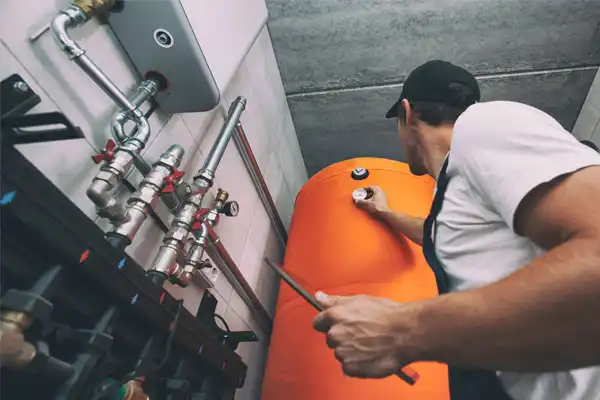
Moisture control also links systems together. Poor drainage around the home, high indoor humidity, plumbing leaks, and crawlspace moisture can make cooling systems work harder. If the AC has to remove extra humidity caused by a hidden leak or damp crawlspace, comfort suffers. Septic system service may seem unrelated until a drainfield issue or moisture problem affects indoor air quality and humidity in odd ways. Houses are ecosystems, just with more invoices.
Water quality can matter too. In some homes, water softener installation protects plumbing fixtures and water heaters from scale. While that does not directly extend AC life, it speaks to the same principle: preventive care keeps equipment from fighting unnecessary battles. The quietest home systems are usually the ones maintained before they start making expensive noises.
What homeowners can do between professional visits
Professional maintenance matters, but homeowners are not helpless spectators. There are simple habits that reduce strain and help the system last longer. They do not require specialized tools, unless you count a calendar and the willingness to look behind furniture.
Here is the homeowner version of not making your air conditioner’s life harder:
- Replace or clean filters on a schedule that fits your home, often every 1 to 3 months depending on filter type, pets, dust, and runtime
- Keep supply and return vents open and unblocked by rugs, furniture, boxes, or the decorative basket collection nobody asked for
- Maintain clearance around the outdoor unit and gently rinse visible debris from the coil when appropriate, avoiding high pressure
- Pay attention to new noises, longer run times, weak airflow, musty odors, ice, water near the unit, or sudden utility bill changes
- Use thermostat settings consistently rather than forcing huge temperature swings that make the system chase comfort all day
These habits do not replace a professional tune-up, but they help. A technician can do more with a system that has not been suffocated by a six-month-old filter and a shrub named Kevin.
The lifespan question: how many years can maintenance add?
Most central air conditioners last somewhere around 12 to 20 years, depending on climate, installation quality, maintenance, usage, equipment type, and luck. That range is broad because the real world refuses to behave like a brochure. A coastal unit exposed to salt air may age faster. A desert unit may endure extreme heat and dust. A system in a shaded, mild climate with excellent maintenance may keep going beyond expectations. A poorly installed unit may start causing trouble before its first decade is up.
Can maintenance add five years? Sometimes. Can it add ten? Occasionally, if the installation was good and conditions are favorable. Can it save a system already ruined by years of neglect? Not always. Maintenance is powerful, but it is not a resurrection ceremony.
The more accurate way to think about it is this: maintenance reduces avoidable stress. It keeps the system closer to its intended operating conditions. Motors run within range. Coils transfer heat properly. Drains flow. Electrical components get replaced before they fail violently. Refrigerant issues get diagnosed instead of ignored. Over thousands of cycles, that difference matters.
A system that runs hot, dirty, restricted, and electrically stressed might still make it through the season. It might make it through several. But it is spending its future every time it runs. Maintenance slows that spending.
The repair-or-replace conversation is better when you have history
One underrated benefit of regular maintenance is documentation. When a technician sees the same system year after year, trends become visible. A capacitor that tests weaker each visit. A blower motor drawing more amperage. A coil getting harder to clean. A refrigerant charge that needed correction twice. A drain line that clogs every summer because it was piped with the enthusiasm of a sleepy raccoon.
That history makes decisions smarter. Without it, every breakdown feels like a surprise. With it, homeowners can plan. Maybe the system has one or two decent seasons left. Maybe it is time to budget for replacement. Maybe a heat pump installation makes sense next time because utility rates, rebates, or comfort goals have changed. Maybe duct improvements should happen before new equipment goes in so the new system is not forced to inherit the old system’s problems.
Planned replacement is rarely fun, but it beats panic replacement. Panic replacement happens when the system dies in a heat wave and the homeowner has to make a major purchase while sweating through a shirt and arguing with a thermostat. Planning gives you time to compare equipment, consider efficiency levels, evaluate ductwork, and choose a contractor based on competence rather than who can arrive before your indoor plants unionize.
Cheap maintenance can become expensive maintenance
There is a difference between affordable and cheap. Affordable maintenance delivers real inspection, cleaning, and advice at a fair price. Cheap maintenance may be a loss leader designed to get a technician through the door for upsells, or it may simply be too rushed to catch much.
That does not mean the most expensive contractor is automatically the best. Plenty of excellent small companies price fairly and work carefully. The key is whether the visit includes meaningful checks and whether the technician can explain findings clearly. If someone claims your entire system is doomed but cannot show measurements, photos, symptoms, or logic, ask questions. If someone says everything is fine without opening panels or checking basic operation, ask different questions.
A reputable air conditioning contractor is comfortable discussing trade-offs. For example, replacing a slightly weak capacitor may be prudent before peak season, but replacing every older component “just because” may not be necessary. Cleaning a coil is worthwhile, but aggressive cleaning on a severely corroded coil requires care. Adding refrigerant without leak evaluation may provide temporary relief but not a real fix. Good service lives in those judgments.
Your AC does not want much. Just breathing room, clean parts, and attention.
Air conditioners are durable machines, but they are not magical appliances that thrive on neglect. They need clean coils, proper airflow, solid electrical components, correct refrigerant conditions, clear drainage, and a reasonable operating environment. Give them those things and they usually repay you with quieter operation, better comfort, fewer breakdowns, and a longer service life.
The funny thing about air conditioning maintenance is that when it works, nothing dramatic happens. The house stays comfortable. The system starts and stops normally. The ceiling does not leak. The compressor does not cook itself into an expensive paperweight. The utility bill remains less rude. It is preventive care, which means its greatest victories are disasters that never get a chance to perform.
That may not sound exciting, but neither is emergency air conditioning repair during a heat wave. A little scheduled attention is far better than a surprise visit from the no-cool goblin. Your air conditioner has one job, and it does it under hot, dusty, electrically demanding conditions. Treat it like a machine worth preserving, not a metal box that owes you eternal loyalty.
With regular air conditioning maintenance, a skilled technician, and a homeowner willing to change the filter before it becomes a family heirloom, your cooling system has a much better shot at a long, useful life. And if it still decides to retire someday, at least it will do so after years of honest service, not because nobody noticed it was slowly choking behind a shrub.
Name: Service Lion Plumbing Heating Air Electric
Address: 521 W Briardale Ave, Orange, CA 92865, United States
Phone: (657) 567-7305
Website: https://callservicelion.com/
Email: [email protected]
Hours:
Monday: Open 24 hours
Tuesday: Open 24 hours
Wednesday: Open 24 hours
Thursday: Open 24 hours
Friday: Open 24 hours
Saturday: Open 24 hours
Sunday: Open 24 hours
Open-location code: R48R+WV Orange, California, USA
Map/listing URL:
https://www.google.com/maps/search/?api=1&query=Google&query_place_id=ChIJQU4LBWHV3IARtnABtyykSA4
Google Map:
Socials:
https://www.facebook.com/ServiceLionCA/
https://www.youtube.com/channel/UCR_L35QzsRTxYZtX8PxJvPw
Local Service Information
Service Lion Plumbing Heating Air Electric provides plumbing, drain, heating, air conditioning, and electrical services from its Orange, California location.The company serves homeowners and properties throughout Orange and communities across Orange County and surrounding areas.
Available services include plumbing repairs, water heater work, drain and sewer services, heating and cooling service, electrical repairs, panels, lighting, outlets, and related home-system work.
Service is available for residential properties as well as light commercial needs described within the company's local service-area information.
The company's website emphasizes locally operated service, coordinated home-system support, and practical scheduling for plumbing, HVAC, and electrical needs.
The matching public business listing shows the Orange location as open 24 hours a day, seven days a week.
For service information or scheduling, call (657) 567-7305 or visit https://callservicelion.com/.
The public map listing identifies the business at 521 W Briardale Ave, Orange, CA 92865 and can be used for location and direction information.
Popular Questions About Service Lion Plumbing Heating Air Electric
What services does Service Lion Plumbing Heating Air Electric provide?
The company provides plumbing, drain and sewer, heating, air conditioning, and electrical services. Its published services include plumbing repair, water heaters, drain clearing, sewer work, HVAC repair and installation, electrical repairs, panels, circuit breakers, lighting, outlets, and related services.
Where is Service Lion Plumbing Heating Air Electric located?
The matching business location is 521 W Briardale Ave, Orange, CA 92865, United States.
What areas does Service Lion Plumbing Heating Air Electric serve?
The company serves Orange County and surrounding communities. Its published service-area information includes Orange, Anaheim, Brea, Yorba Linda, Fullerton, Huntington Beach, Newport Beach, Costa Mesa, Irvine, Lake Forest, and additional nearby cities.
Is Service Lion Plumbing Heating Air Electric open 24 hours?
The matching public business listing shows the location as open 24 hours on Monday through Sunday.
Does Service Lion Plumbing Heating Air Electric work on drains and sewer lines?
Yes. Published services include drain clearing, rooter service, camera inspection, hydro jetting, sewer line repair and installation, water line work, slab leak detection, and trenchless sewer line repair.
Does Service Lion Plumbing Heating Air Electric provide heating and air conditioning service?
Yes. Its published HVAC services include air conditioning repair and installation, heating service, furnace work, heat pumps, air ducts, indoor air quality assessments, and thermostat installation.
Does Service Lion Plumbing Heating Air Electric provide electrical service?
Yes. Published electrical services include repairs and installations, electrical panels, circuit breakers, safety inspections, lighting, outlets and switches, surge protection, generators, and EV charging equipment installation.
How can I contact Service Lion Plumbing Heating Air Electric?
Call (657) 567-7305.
Email: [email protected]
Website: https://callservicelion.com/
Facebook: https://www.facebook.com/ServiceLionCA/
Landmarks Near Orange, California
Old Towne Orange Historic District
A central historic district and useful geographic reference point for the Orange community.
Plaza Park
A well-known public gathering point in the center of Old Towne Orange.
Orange Public Library & History Center
A civic landmark serving residents near central Orange.
Hart Park
A major public park and recreation area south of central Orange.
Eisenhower Park
A public park serving neighborhoods in northern Orange.
Santiago Oaks Regional Park
A regional recreation and open-space landmark on the eastern side of Orange.
Irvine Regional Park
A large regional park and recognizable reference point east of the city.
Orange Park Acres
A distinctive residential community and service-area reference point in eastern Orange.
El Modena
An established Orange neighborhood that provides a practical local coverage reference.
Glassell Street
One of the city's principal north-south streets and a useful route through central Orange.
Lincoln Avenue
A major east-west roadway serving northern Orange and nearby communities.
State Route 55
A primary regional freeway connecting Orange with other parts of Orange County.